Guides, Australia
BBS wheel guides, with notes for Australia
Eight longer guides for owners and buyers of BBS wheels, each with a section on Australian conditions. Between them they cover history, identification, fitment, buying used, refurbishing three-piece wheels, construction and care. The local notes vary by guide: the fitment and buying pages deal with roadworthy rules and certifiers, and the care and refurbishing pages look at UV, coastal salt and heat.
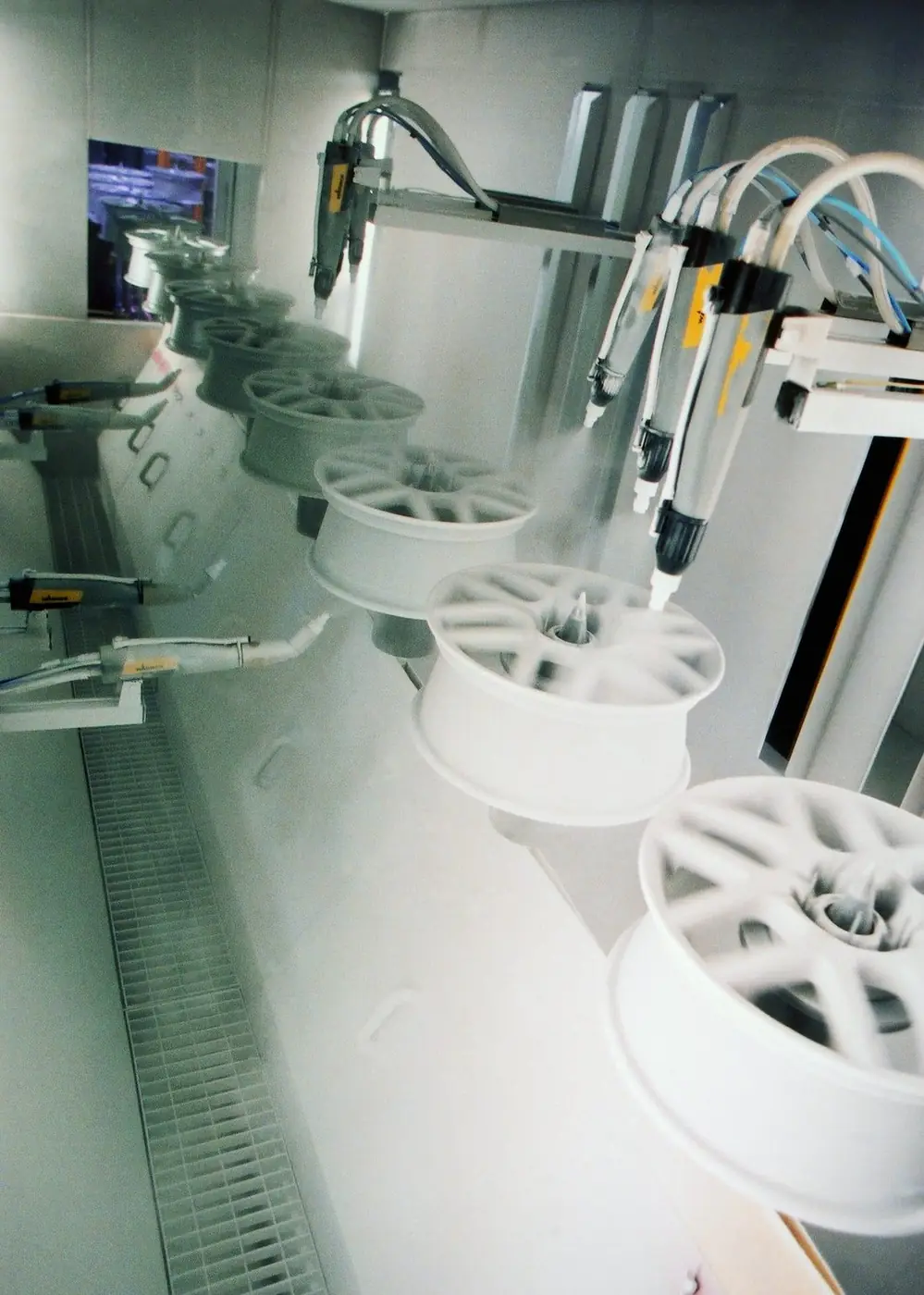 A history of BBS wheelsCompany history, 1970 to now
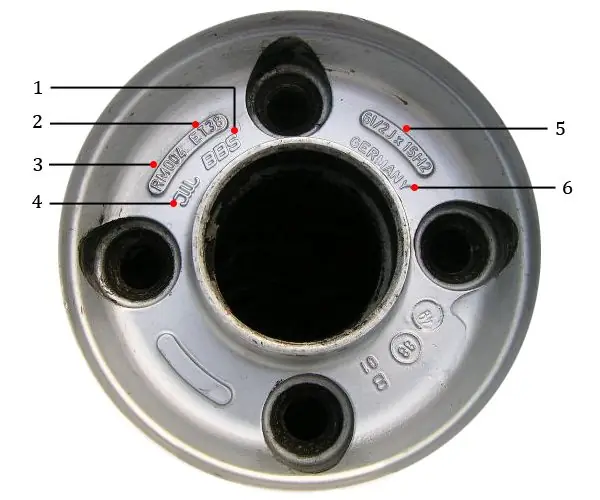 How to identify BBS wheelsPractical guide
 Wheel fitment and offset explainedTechnical guide
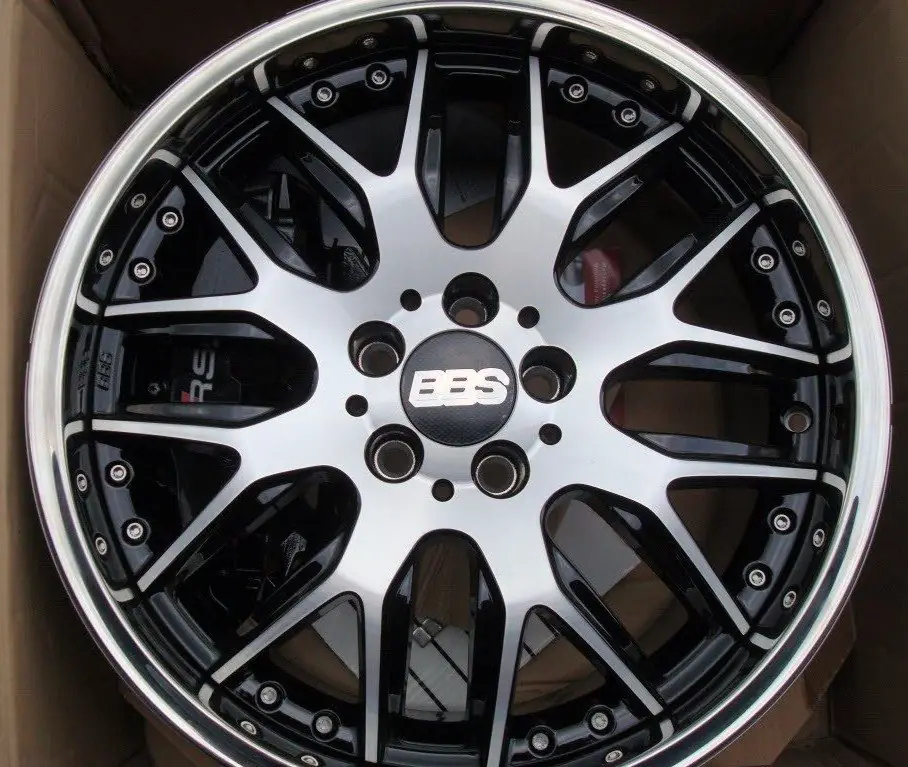 Buying used BBS wheelsBuyer's guide
 Refurbishing three-piece BBS wheelsRestoration guide
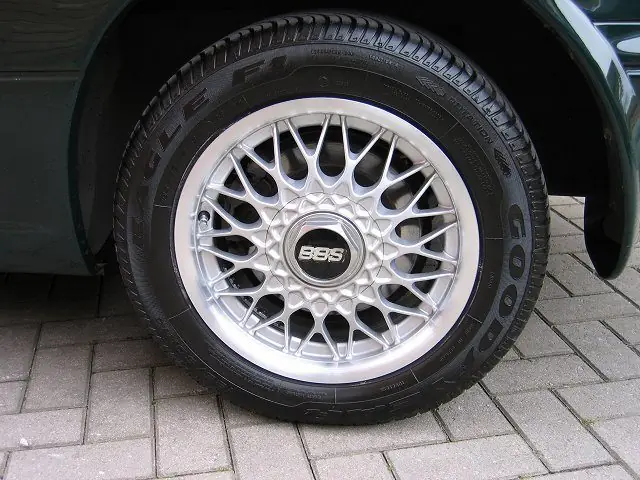 Forged versus cast BBS wheelsConstruction guide
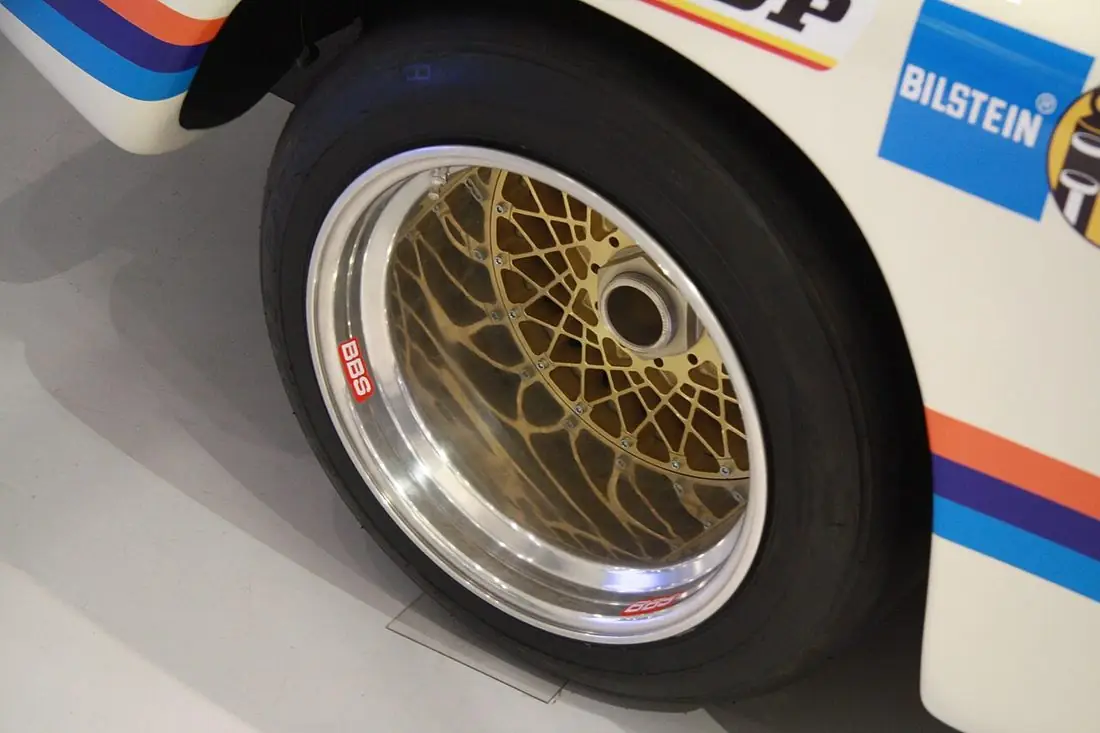 BBS in motorsportRacing history
 Caring for BBS wheelsMaintenance guide
How the guides apply in Australia
The technical content of each guide applies everywhere. The Australian sections add the local side: who checks a modification, where used sets are sold, and the conditions a wheel faces here.
Buying and fitting
If you are looking at a set for sale, read identification first, then buying used, then fitment and offset. Together they cover reading the stamps, inspecting a set from Gumtree, Facebook Marketplace, eBay Australia or a car club, and checking the numbers before you ask your state transport authority or a certifier about the change. Wheel and tyre changes are covered by state roadworthy rules and the national guidance in VSB 14 section LA, and the fitment guide explains which figures matter.
Owning and restoring
Caring for BBS wheels looks at what strong UV, salt air near the coast and baked-on brake dust do to paint, clear coat and polished lips. Refurbishing three-piece wheels covers splitting, resealing and rebuilding, and what to ask a refurbisher before you hand over a set.
Background
The history guide explains how a firm from Schiltach ended up with separate German and Japanese ranges, which helps when a Japanese import carries unfamiliar markings. BBS in motorsport and forged versus cast are worth reading if you are choosing wheels for track days at circuits such as Sydney Motorsport Park or Phillip Island.
Sets bought from overseas
A set imported from Japan or Europe needs the same checks as a local purchase, plus a few of its own. The identification guide explains how Japanese-market wheels are marked, the buying guide covers freight damage and paying at a distance, and the history guide explains why some designs were only sold in one market. Check the fitment numbers before the set is shipped, because sending wheels back from overseas is slow.
For individual wheels, the rim model index links to every series page.
Where to start
If you have a wheel in front of you and want to know what it is, begin with the identification guide. It explains where BBS stamps the part number, width, diameter and offset, and how to match those markings against the series tables on this site.
Planning to fit a set to a different car? The fitment guide works through offset, bolt pattern and centre bore with real numbers, so you can judge how far a wheel will sit in or out of the arch before you buy it. The buying guide then covers cracks, straightened barrels, mismatched halves and the paperwork worth asking for.
Owners of two- and three-piece wheels will find the refurbishment and care guides useful: they cover splitting a wheel, resealing it, new hardware and how to clean polished lips without dulling them.
Frequently asked questions
Which guide should I read before buying a used set in Australia?
Start with the identification guide so you can read the markings, then the buying guide for cracks, repairs and copies. Finish with the fitment guide to check PCD, offset, centre bore and load rating against your car before you ask a certifier or your state transport authority whether the change needs approval.
Do the guides tell me what is legal in my state?
No. They explain how wheel fitment works and point to the framework: state roadworthy and registration rules and the national VSB 14 guidance, section LA. Rules and how they are applied differ between states, so confirm with your state transport authority and, where needed, an engineer or certifier.