Australian section
BBS wheels in Australia: series, specifications and local guides
This is the Australian section of bbswheels.info, an independent BBS wheel reference with 42 series and 1026 part numbers listed by size, offset, PCD and centre bore. The specification data is the same as on the main site. What we add here are notes for readers in Australia: how wheel changes sit with state roadworthy rules and VSB 14, where used sets tend to turn up, and what strong sun, salt air and long highway runs do to a finish.
- 42series & models
- 1026part numbers
- 8guides
Using this reference in Australia
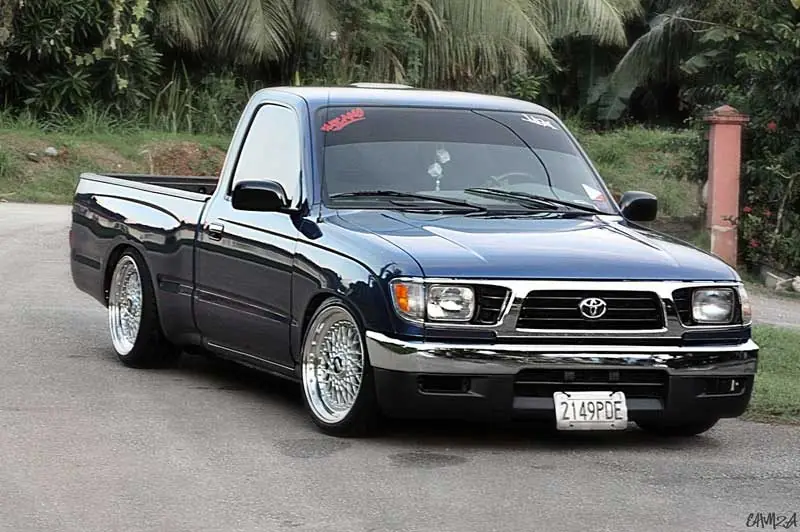
BBS wheels reach Australian cars by several routes: aftermarket sets, factory wheels on European and Japanese cars, and private imports from Japan and Europe. So a wheel on a local car might be a classic German multi-piece set, an OEM wheel carrying a carmaker's part number, or a Japanese-market forged design. The tables on this site help you work out which one you have.
What the Australian pages add
Each series and guide page under /au/ keeps the global content and adds a section on local use. Series pages point out which sizes and bolt patterns are worth checking against your car. The guides deal with the questions that change once you are here: whether a set is likely to need sign-off, how to inspect a set bought interstate or from overseas, and how to look after a finish that lives in harsh sun.
Rules, in general terms
Wheel and tyre changes are covered by state registration and roadworthy rules, with national guidance in VSB 14, the National Code of Practice for Light Vehicle Construction and Modification, section LA. We do not give limits or say what a particular state allows. Check with your state transport authority, such as Transport for NSW, VicRoads or TMR in Queensland, and use an engineer or certifier where a change needs one. The fitment guide explains the numbers they will ask about.
Where to start
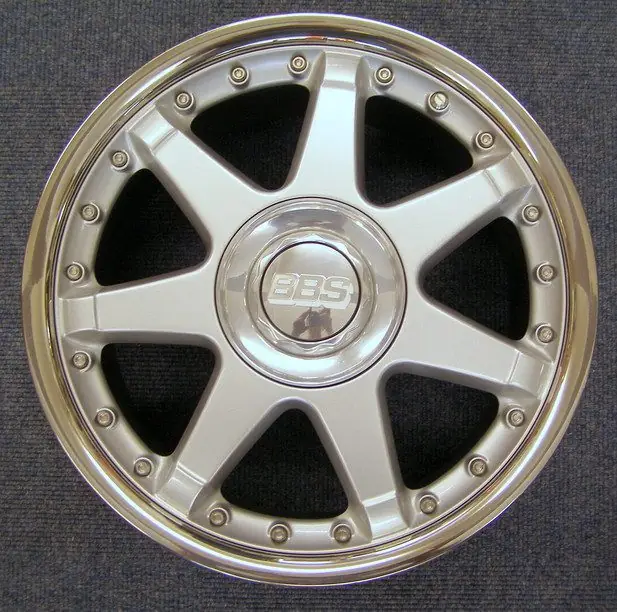
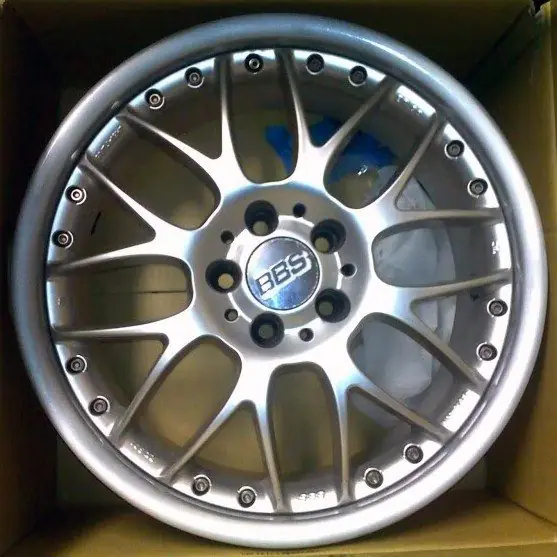
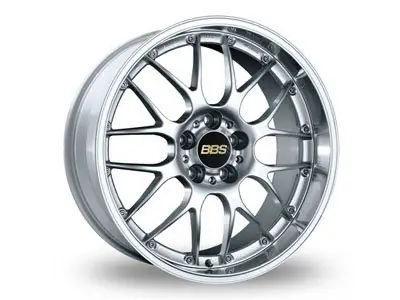
- All rim models, including the full tables for the RS, RS II, LM, RT, RX, RF and RS-GT.
- BBS RS, the three-piece wheel from 1983, with 288 part numbers listed.
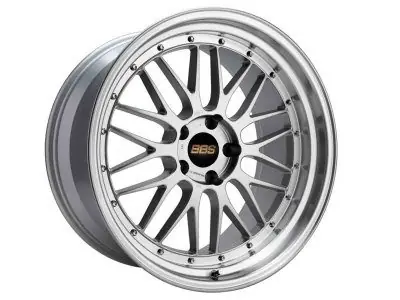
- BBS LM, with 237 part numbers from 17 to 21 inches.
- Buying used BBS wheels, before you answer a Marketplace or Gumtree listing.
- Identifying BBS wheels, for reading the stamps on the back of a centre.
- Caring for BBS wheels, on UV, coastal salt and brake dust.
Series with specification tables
All series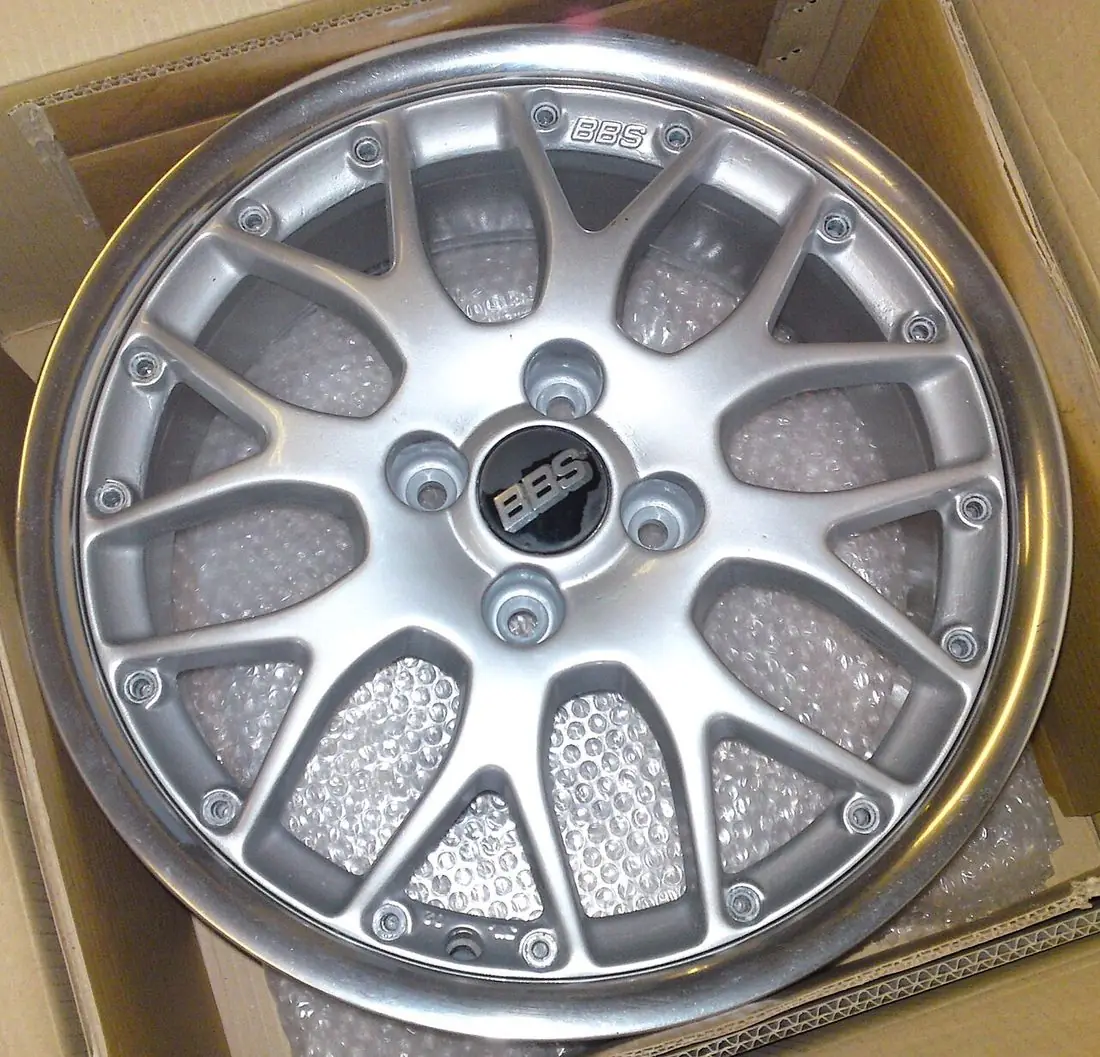
More BBS models
Full list BBS CC-RCast one-piece, concave face
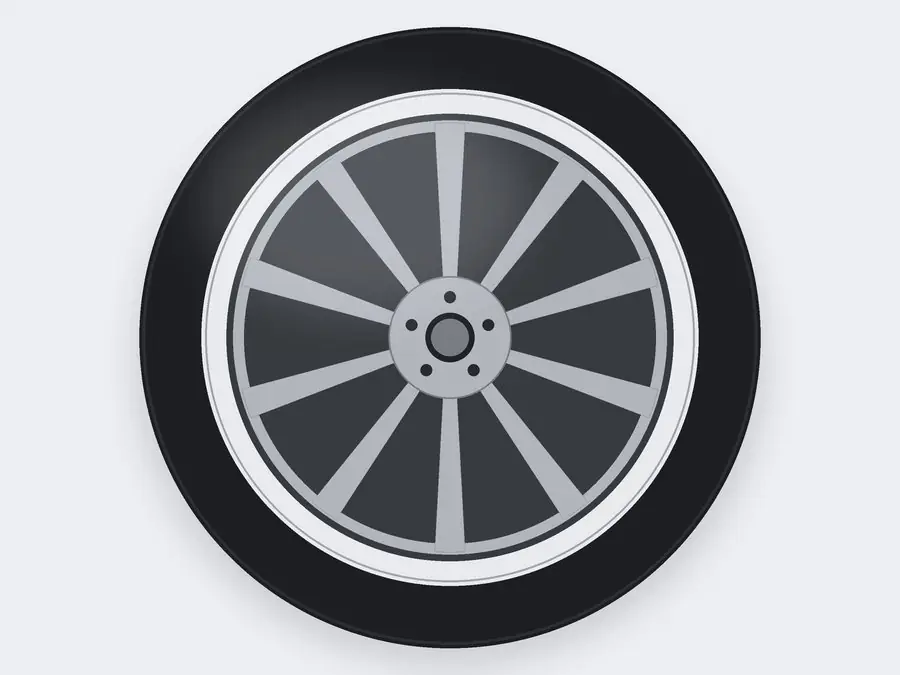 BBS CH-RCast one-piece, 2010s
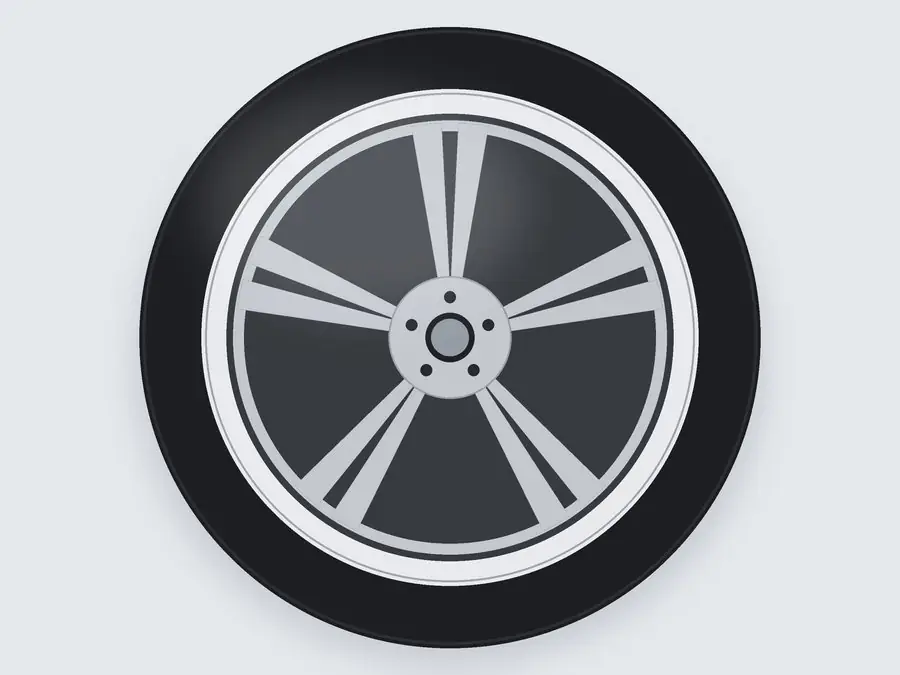 BBS CI-RCast one-piece, 2010s
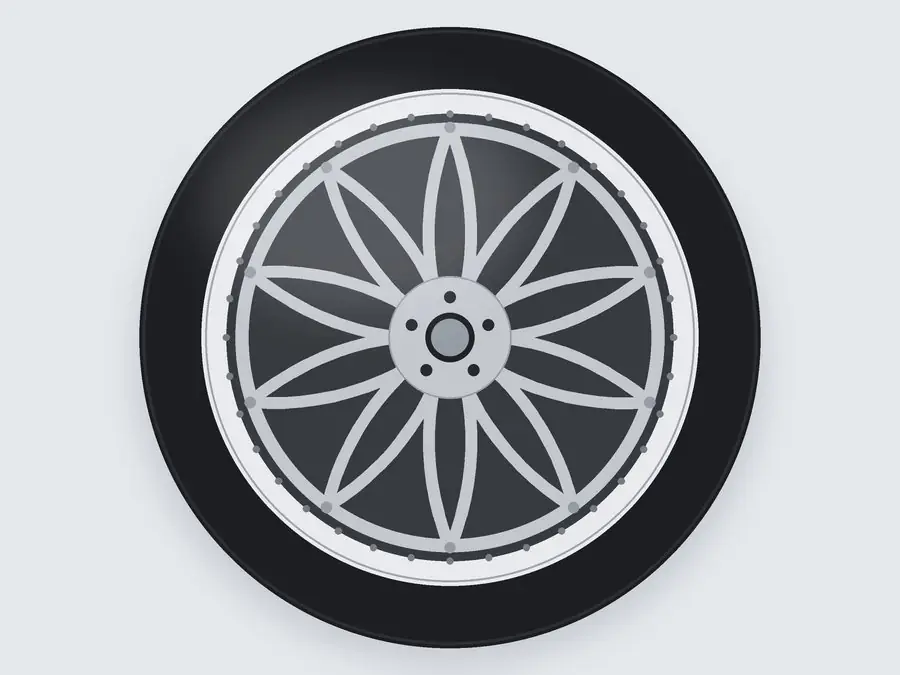 BBS E88 motorsportMotorsport mesh, racing
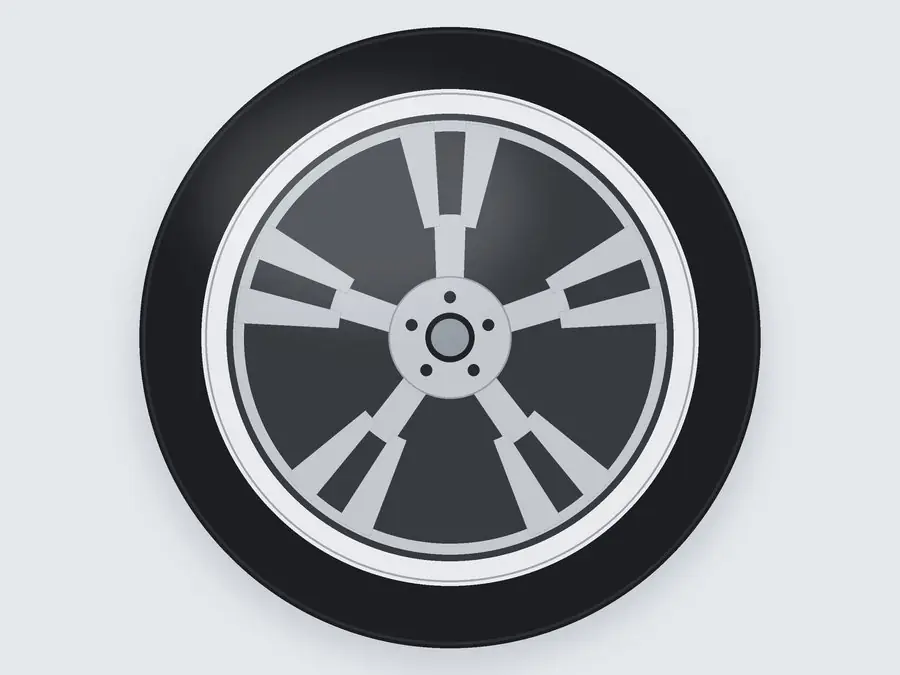 BBS FIForged one-piece, 2010s
 BBS FI-RForged one-piece, successor to FI
 BBS LM-RRevised LM, 2010s onward
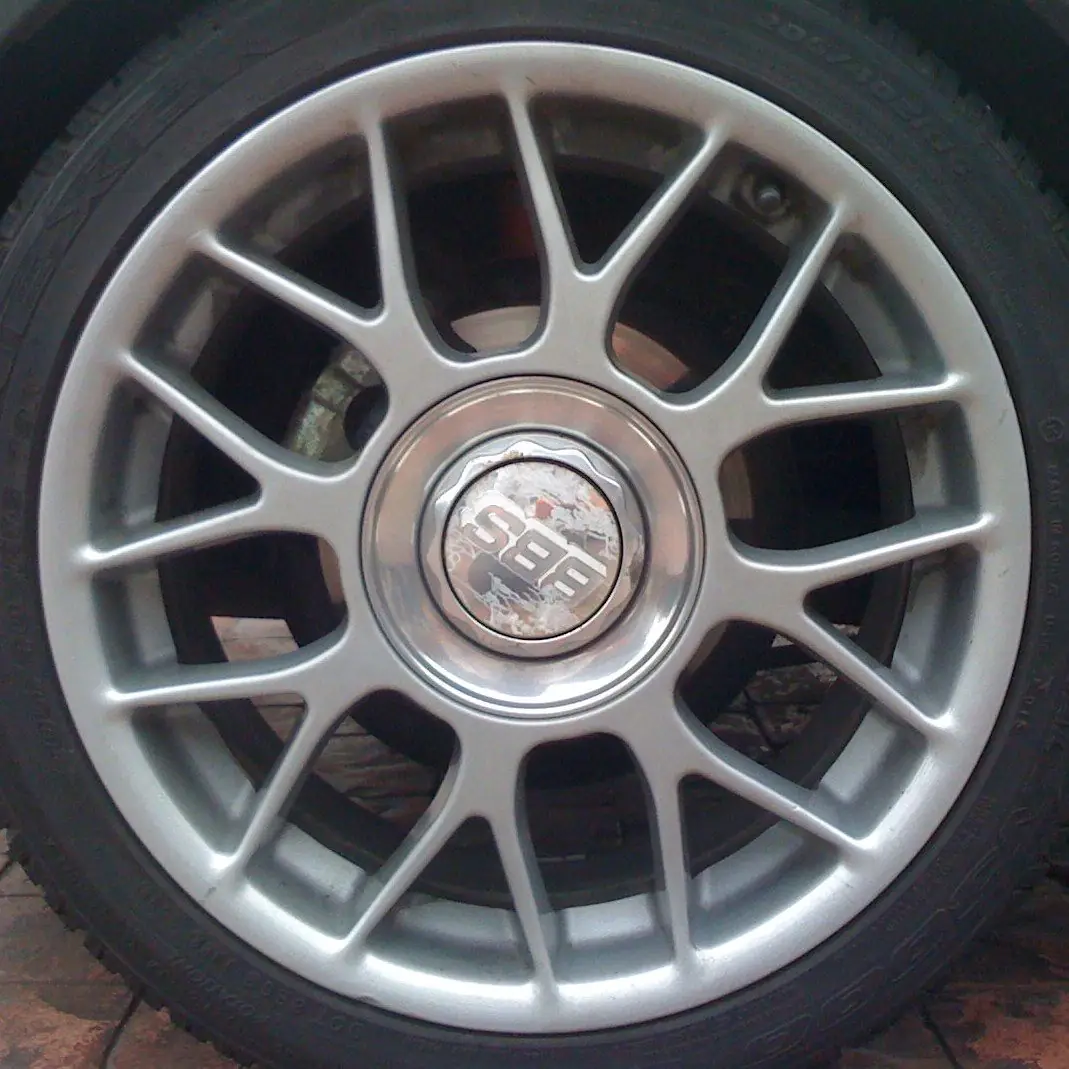 BBS RCCast one-piece, 1990s
 BBS RE-VForged one-piece, Japan
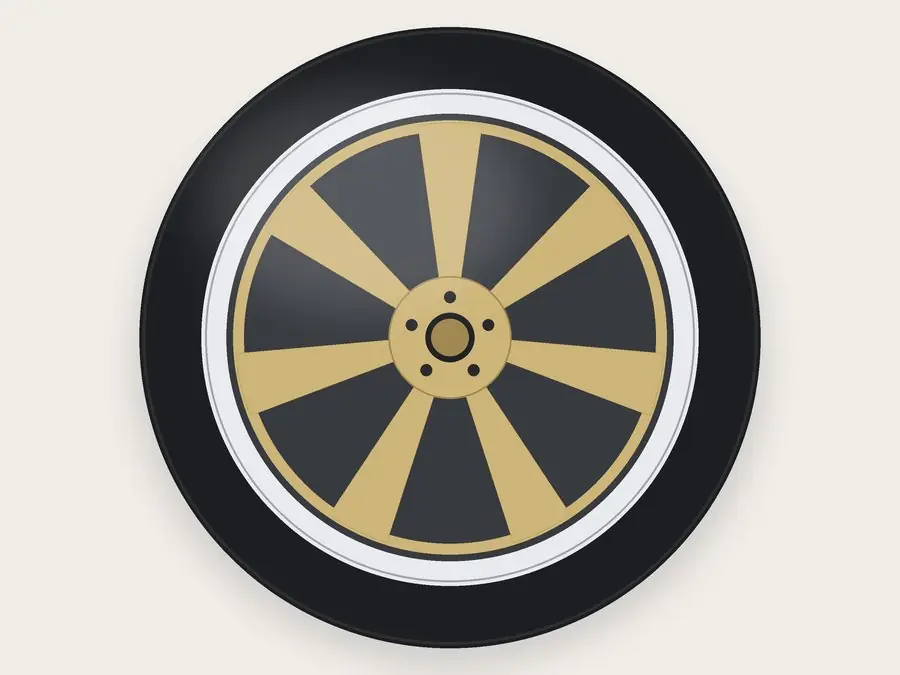 BBS RE-V7Forged seven-spoke, Japan
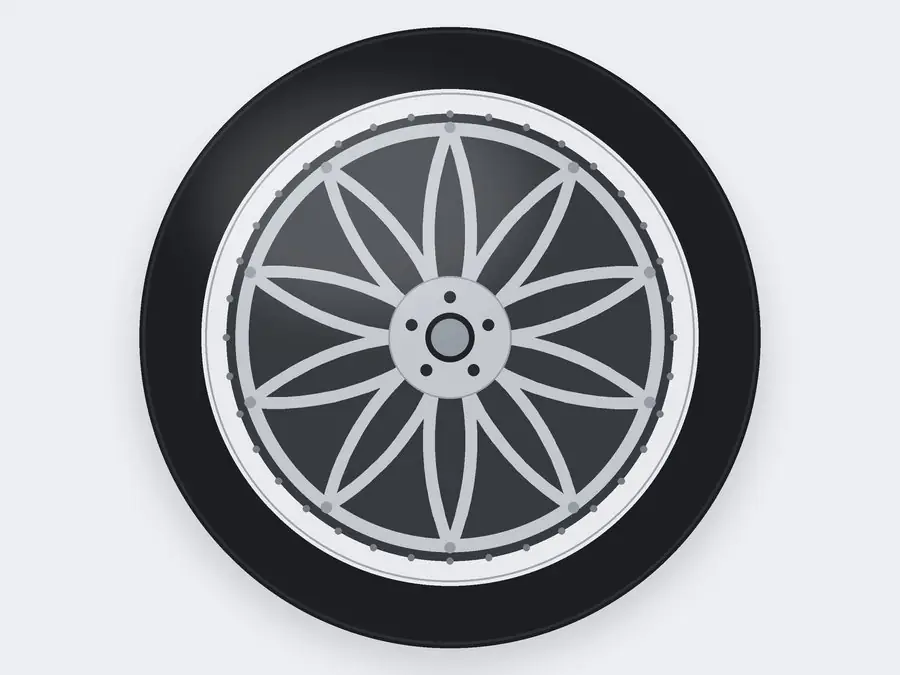 BBS RGCast one-piece mesh, 1990s
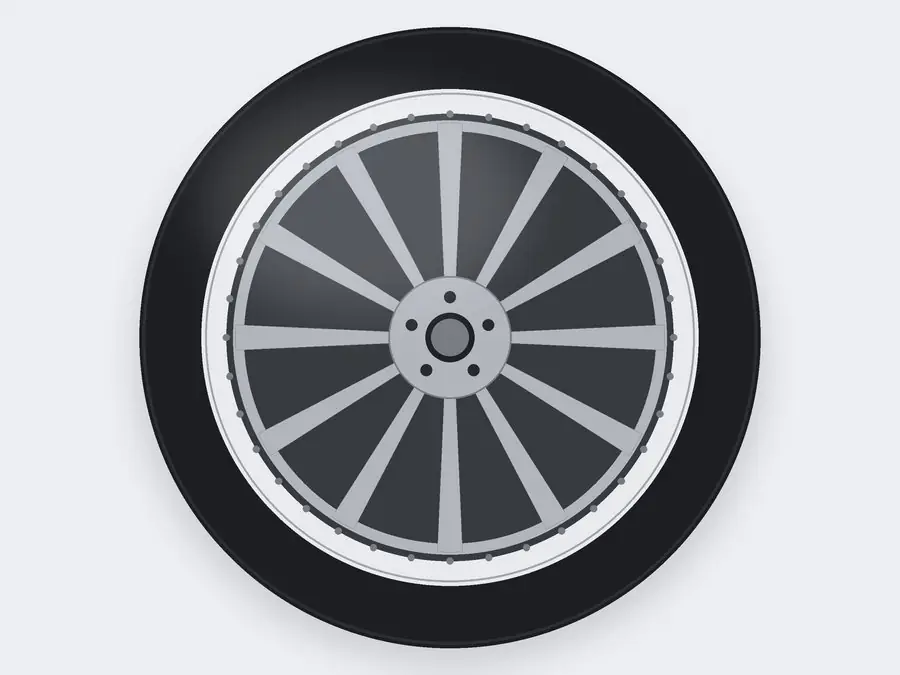 BBS RG-RForged one-piece, Japan
Guides
All guides- A history of BBS wheels BBS started in 1970 in Schiltach, a small town in the Black Forest, making plastic body parts for cars.
- How to identify BBS wheels Most BBS wheels can be identified in a few minutes if you know where to look.
- Wheel fitment and offset explained PCD, ET offset, centre bore, hub rings, bolts versus nuts, seat types and load ratings, explained with worked examples for fitting BBS wheels correctly.
- Buying used BBS wheels Used BBS wheels are everywhere, and so are copies and wheels that have had a hard life.
- Refurbishing three-piece BBS wheels A three-piece wheel can be taken apart, and that is both its advantage and its risk when refurbishing.
- Forged versus cast BBS wheels BBS has made wheels by casting, by flow-forming and by forging, in one-piece and multi-piece forms.
- BBS in motorsport BBS made its name in racing before it was widely known on the street.
- Caring for BBS wheels Most damage to wheels comes from brake dust left too long, harsh cleaners and kerbs.
Reading a wheel specification
- Size is width × diameter in inches, for example 7x16 for a 7-inch-wide, 16-inch wheel.
- PCD (pitch circle diameter) is the bolt pattern: number of studs × the diameter of the circle they sit on, in millimetres, such as 5x112.
- Offset (ET) is the distance in millimetres from the wheel's centre line to its mounting face. A higher ET tucks the wheel further into the arch.
- Centre bore (CB) is the diameter of the hole that locates the wheel on the hub. A wheel with a larger bore needs hub-centric rings.
- Lip and barrel apply to multi-piece wheels such as the RS and RS II, built from a centre bolted to separate rim halves.
Most BBS wheels carry their part number, size and offset cast or stamped on the back of the centre. Matching that marking against the tables here is the quickest way to identify a used wheel. The fitment guide works through examples.
Frequently asked questions
Is this site the Australian BBS distributor?
No. bbswheels.info is an independent reference and is not affiliated with BBS GmbH, BBS Japan or any distributor. The Australian section adds local notes to the same specification data. For warranty claims, new wheels or genuine parts, contact BBS or an authorised dealer.
Do I need approval to fit BBS wheels to my car in Australia?
It depends on the change and on your state. Wheel and tyre changes fall under state roadworthy and registration rules, with national guidance in VSB 14 section LA. Your state transport authority can tell you what applies, and an engineer or certifier can assess changes that need sign-off. We do not publish limits.
Are the specifications different for wheels sold in Australia?
No. The tables list size, offset, PCD and centre bore as recorded from catalogues and wheel markings, and those figures do not change by country. A Japanese-market or European import can still differ in detail from another version of the same design, so read the markings on the back of the wheel.