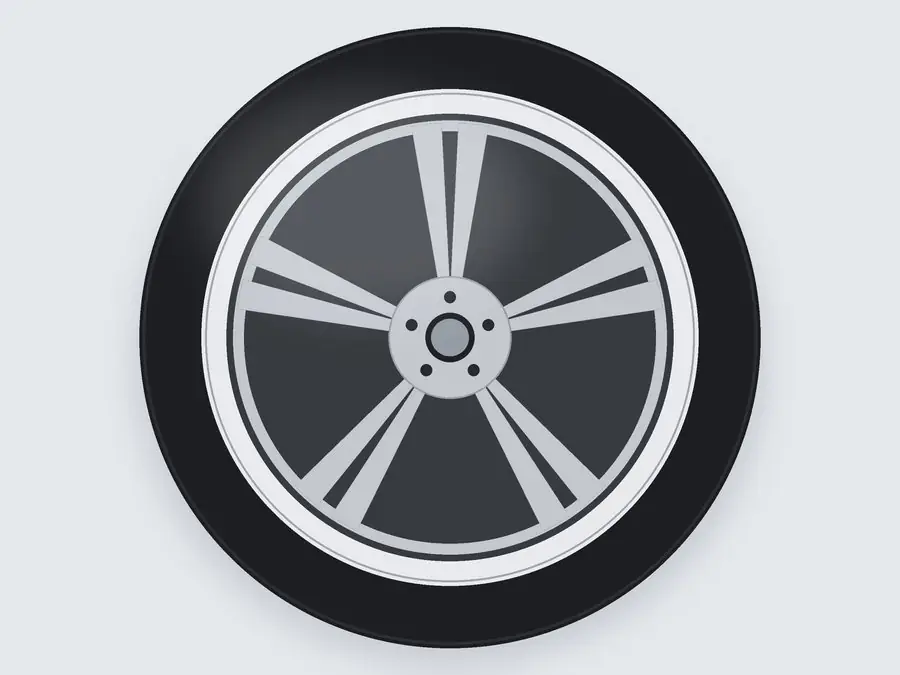
Double-spoke cast, AU
BBS CI-R wheels in Australia
The CI-R is the five double-spoke cast BBS with a contrasting rim edge, and it is a common choice in Australia for owners of BMW, Audi, VW and Mercedes-Benz saloons and coupes who want a wheel that looks close to a factory option. This page covers how it fares here: hub rings and bolts under heat cycles, brake dust on cars with performance pads, the state roadworthy rules for a wheel change, and what to look for on a black CI-R set sold locally.
- Construction
- One-piece cast aluminium
- Spoke style
- Five double spokes
- Predecessor
- BBS CI
- Typical cars
- BMW, Audi, VW, Mercedes-Benz
- Finishes
- Varied, often black or nero with a polished lip
The BBS CI-R in Australia
Because the CI-R looks so much like the double-spoke wheels car makers offer as an upgrade, it suits Australian owners who want a factory feel without paying for forged wheels. That also means it gets confused with factory wheels and with copies in local listings, so check the back of each wheel for the model code, size, offset and the milled pockets behind the spoke pairs.
Hub rings and heat
Plastic hub rings perish with heat cycles from the brakes, and Australian summers add to that. On an older set, or a car that sees track days at Sydney Motorsport Park or Phillip Island, metal rings are worth considering. Either type should be a snug push fit on the hub. Keep the rings with the wheels when they are off the car, and check the bolt seat type before fitting.
Brake dust and the split spokes
The narrow gap where each pair of spokes splits holds dirt and moisture. On cars with performance pads, brake dust builds up fast and bakes on in the heat. Wash before it builds up, use a slim detailing brush between the spokes and keep a sealant on the finish. Near the coast, rinse the salt off as well, since it gets under chips on the contrasting edge. More in caring for BBS wheels.
Roadworthy and insurance
Wheel and tyre changes in Australia are covered by state roadworthy and registration rules, with national guidance in VSB 14 (National Code of Practice for Light Vehicle Construction and Modification), section LA. Check with your state transport authority, such as Transport for NSW, VicRoads or TMR in Queensland, and ask an engineer or certifier if your fitment needs approval. Tell your insurer about the change as well. The offset guide explains offset and width.
Buying a used CI-R here
Used sets turn up on Gumtree, Facebook Marketplace, eBay Australia and model forums. Black wheels show kerb damage and chips more than silver, and the contrasting edge takes most of it. Check for missing or cracked centre caps, confirm the bore suits your car or that rings come with the set, and ask which car the wheels came off. Refinishing a two-tone wheel costs more than a single colour, so ask a refinisher before you buy a damaged set. Compare it with the CH-R, the CC-R and the earlier CI, and read buying used BBS wheels.
Background
The CI-R developed from the CI. It keeps the double-spoke idea and adds a rim edge in a contrasting finish, a feature shared with the CH-R. BBS sold it mainly through the aftermarket for cars on common European bolt patterns.
Construction
The wheel is cast in one piece, machined and back-milled to save weight behind the spokes. Each pair of spokes splits from near the hub and runs to the rim, which gives a strong visual line without the clutter of a multi-spoke design. Our forged vs cast guide explains how cast BBS wheels differ from the forged ones.
Fitment
Diameters and widths were offered for popular saloons and coupes. Sizes varied by market, and some fitments use hub rings or specific bolts. Confirm the load rating on heavier cars. See fitment and offset explained.
Identifying a CI-R
Five pairs of spokes and a contrasting rim edge identify a CI-R from the front, and the CI that came before it lacks that edge. On the back, look for the model code, size, offset and approval marks cast in near the hub. The spoke pairs should have milled pockets behind them. Inexpensive copies of this design are common in black, so check the rear before buying a set that looks right in photographs.
Where the CI-R fits in the range
The CI-R is one of three cast BBS designs that share a contrasting rim edge, alongside the ten-spoke CH-R and the concave CC-R. Of the three, it has the most traditional sporty look, close to the double-spoke wheels many car makers fit as an upgrade option. That makes it a common choice for owners who want something that looks like it could have come from the factory.
Like the others, it is cast in one piece using a pressure casting process and then back-milled. That keeps the price well below the forged wheels while giving a better structure than inexpensive gravity-cast aftermarket wheels. For most road cars it is a sensible balance between weight, strength and cost, and replacing a single damaged wheel is less painful than with a forged set.
When buying new, check the current fitment list, since the CI-R range has changed over time and not every size is offered for every car. When buying used, find out which car the wheels came from, because bolt pattern, centre bore and offset may all differ from your own car.
Bolts and hub rings
CI-R wheels are made to fit several car makers, so they often ship with hub rings to take up the gap between the wheel bore and the hub. Keep the rings when the wheels are off the car, as a lost ring is a common cause of vibration after a seasonal swap. Check whether your car needs the factory bolts or a different seat type before fitting.
Plastic rings can perish after several years of heat cycles from the brakes. Metal rings last longer, and either type should be a snug push fit on the hub with no visible play.
What to look for on a used set
Black CI-R wheels show kerb damage and chips more than silver ones, and the contrasting edge is where most damage appears. Look for corrosion in the narrow space where each pair of spokes splits, a spot that is hard to clean and tends to hold dirt and moisture. Missing or cracked centre caps are a common issue on older sets. Make sure the hub bore suits your car or that the right hub rings come with the wheels.
Refinishing a two-tone wheel takes masking work, so it costs more than a single colour. Ask whether the refinisher can reproduce the contrasting edge before you commit.
Day-to-day care
A slim detailing brush gets between the spoke pairs. Wash the wheels before brake dust builds up, especially on cars with performance pads. At tyre changes, ask for the wheels to be balanced with weights placed behind the spokes, and check that the shop torques the bolts by hand rather than leaving them at whatever the impact gun delivers.
Frequently asked questions
Should I use metal hub rings on a CI-R in Australia?
Plastic rings can perish after years of brake heat, and hot weather does not help. Metal rings last longer and are worth considering on older sets or cars used on track. Whichever you choose, the ring should be a snug push fit on the hub with no visible play.
Do I need to tell my insurer about fitting CI-R wheels?
In general, yes. Aftermarket wheels usually count as a modification for insurance, even when they are a known brand and close to factory size. Give your insurer the brand, model, size and value, and check the change against your state's roadworthy rules too.
Is the CI-R cast or forged?
It is a one-piece cast wheel.
How is the CI-R different from the CH-R?
The CI-R uses five double spokes, while the CH-R uses ten single spokes. Both have a contrasting rim edge.
Which cars suit the CI-R?
It was mainly offered for European saloons and coupes. Check the fitment list for your car.
Can the finish be restored?
Most finishes can be refurbished by an expert, though matching the original colour may take care.