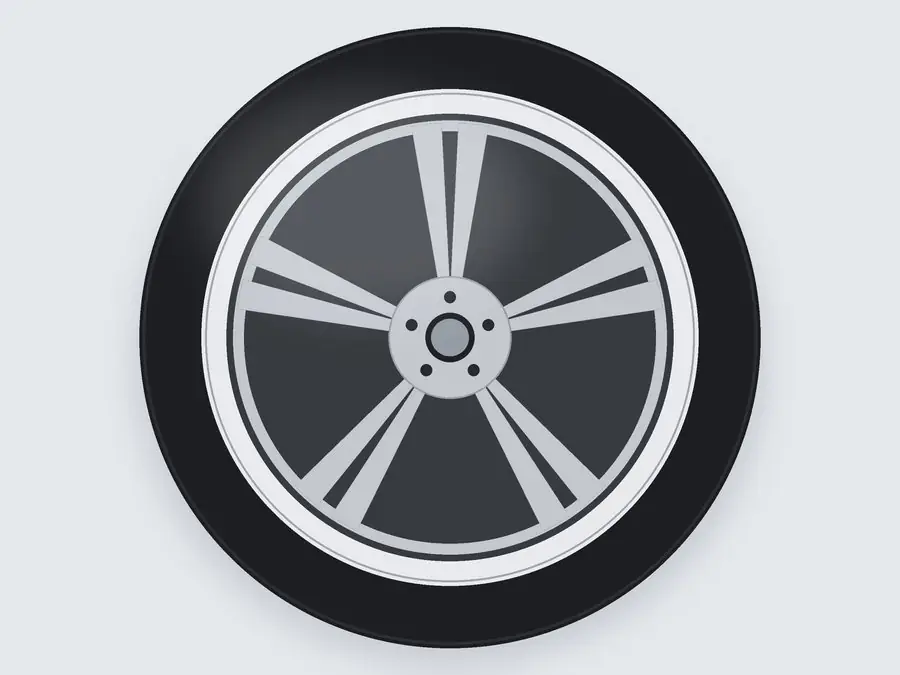
Cast one-piece, 2010s
BBS CI-R wheels
The CI-R is a cast BBS wheel with five pairs of spokes and a contrasting rim edge. It sits alongside the CH-R in the range and suits many European saloons and coupes.
- Construction
- One-piece cast aluminium
- Spoke style
- Five double spokes
- Predecessor
- BBS CI
- Typical cars
- BMW, Audi, VW, Mercedes-Benz
- Finishes
- Varied, often black or nero with a polished lip
Background
The CI-R developed from the CI. It keeps the double-spoke idea and adds a rim edge in a contrasting finish, a feature shared with the CH-R. BBS sold it mainly through the aftermarket for cars on common European bolt patterns.
Construction
The wheel is cast in one piece, machined and back-milled to save weight behind the spokes. Each pair of spokes splits from near the hub and runs to the rim, which gives a strong visual line without the clutter of a multi-spoke design. Our forged vs cast guide explains how cast BBS wheels differ from the forged ones.
Fitment
Diameters and widths were offered for popular saloons and coupes. Sizes varied by market, and some fitments use hub rings or specific bolts. Confirm the load rating on heavier cars. See fitment and offset explained.
Identifying a CI-R
Five pairs of spokes and a contrasting rim edge identify a CI-R from the front, and the CI that came before it lacks that edge. On the back, look for the model code, size, offset and approval marks cast in near the hub. The spoke pairs should have milled pockets behind them. Inexpensive copies of this design are common in black, so check the rear before buying a set that looks right in photographs.
Where the CI-R fits in the range
The CI-R is one of three cast BBS designs that share a contrasting rim edge, alongside the ten-spoke CH-R and the concave CC-R. Of the three, it has the most traditional sporty look, close to the double-spoke wheels many car makers fit as an upgrade option. That makes it a common choice for owners who want something that looks like it could have come from the factory.
Like the others, it is cast in one piece using a pressure casting process and then back-milled. That keeps the price well below the forged wheels while giving a better structure than inexpensive gravity-cast aftermarket wheels. For most road cars it is a sensible balance between weight, strength and cost, and replacing a single damaged wheel is less painful than with a forged set.
When buying new, check the current fitment list, since the CI-R range has changed over time and not every size is offered for every car. When buying used, find out which car the wheels came from, because bolt pattern, centre bore and offset may all differ from your own car.
Bolts and hub rings
CI-R wheels are made to fit several car makers, so they often ship with hub rings to take up the gap between the wheel bore and the hub. Keep the rings when the wheels are off the car, as a lost ring is a common cause of vibration after a seasonal swap. Check whether your car needs the factory bolts or a different seat type before fitting.
Plastic rings can perish after several years of heat cycles from the brakes. Metal rings last longer, and either type should be a snug push fit on the hub with no visible play.
What to look for on a used set
Black CI-R wheels show kerb damage and chips more than silver ones, and the contrasting edge is where most damage appears. Look for corrosion in the narrow space where each pair of spokes splits, a spot that is hard to clean and tends to hold dirt and moisture. Missing or cracked centre caps are a common issue on older sets. Make sure the hub bore suits your car or that the right hub rings come with the wheels.
Refinishing a two-tone wheel takes masking work, so it costs more than a single colour. Ask whether the refinisher can reproduce the contrasting edge before you commit.
Day-to-day care
A slim detailing brush gets between the spoke pairs. Wash the wheels before brake dust builds up, especially on cars with performance pads. At tyre changes, ask for the wheels to be balanced with weights placed behind the spokes, and check that the shop torques the bolts by hand rather than leaving them at whatever the impact gun delivers.
Frequently asked questions
Is the CI-R cast or forged?
It is a one-piece cast wheel.
How is the CI-R different from the CH-R?
The CI-R uses five double spokes, while the CH-R uses ten single spokes. Both have a contrasting rim edge.
Which cars suit the CI-R?
It was mainly offered for European saloons and coupes. Check the fitment list for your car.
Can the finish be restored?
Most finishes can be refurbished by an expert, though matching the original colour may take care.