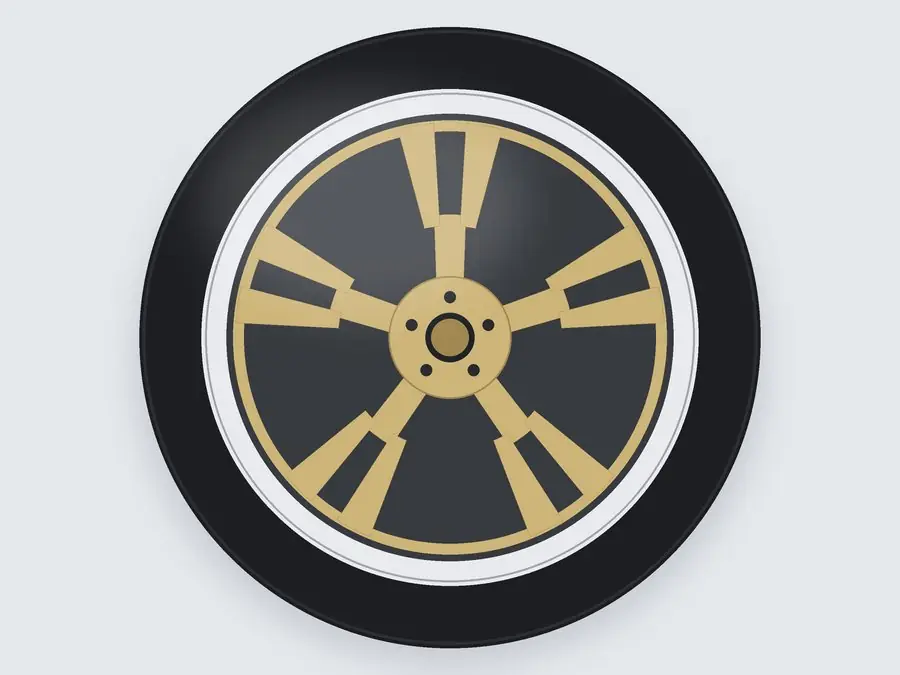
Concave cast, AU guide
BBS CC-R wheels in Australia
The CC-R is the concave cast wheel in the BBS range, with a contrasting rim edge and a face that looks deeper as width grows and offset drops. In Australia it is mostly fitted to European saloons and coupes, often on lowered suspension. This page looks at what that means here: clearance and roadworthy checks on a lowered car, brake dust baked into the dished centre by heat, sun on dark finishes, and what to look for when buying a used set locally.
- Construction
- One-piece cast aluminium
- Predecessor
- BBS CC
- Face
- Concave
- Typical cars
- BMW, Audi, VW and others
- Finishes
- Varied by market
The BBS CC-R in Australia
The CC-R is fitted to the same kinds of cars in Australia as elsewhere: BMW, Audi, VW and other European saloons and coupes. Many of those cars are lowered, and the CC-R is often bought for low offsets and wide rears, which is the fitment that needs the most checking here.
Lowered cars and the roadworthy rules
A wide concave wheel on a lowered car changes how the tyre sits in the guard. Wheel and tyre changes in Australia are covered by state roadworthy and registration rules, with national guidance in VSB 14, the National Code of Practice for Light Vehicle Construction and Modification, section LA. Check with your state transport authority, for example Transport for NSW, VicRoads or TMR in Queensland, and use an engineer or certifier where your state calls for one. Check clearance at full steering lock and full compression as well, because a wheel that fits on a hoist can still rub on the road. The offset guide explains how offset and width move the tyre.
Heat, brake dust and sun
The dished area round the hub collects brake dust, and in Australian summer heat that dust bakes on quickly. Rinse it off often, use a pH-neutral cleaner and keep a wheel sealant on the face so later washes are easier. Dark finishes with a contrasting rim edge also take strong UV, so a set kept outside can fade unevenly. If you only use the CC-R for shows or the occasional track day at Sydney Motorsport Park or Phillip Island, store it clean, dry and out of the sun. Our guide to caring for BBS wheels has more.
Buying a used CC-R here
Used sets turn up on Gumtree, Facebook Marketplace, eBay Australia and model forums. Ask which car the wheels came off, since sizes and offsets were matched to specific cars and varied by market. Check each lip for kerb damage, look for rub marks on the inside of the spokes on cars with big brakes, and confirm the set is not a copy with a flatter face. Imported sets can pick up freight damage, so check the barrels for fresh dents. Compare the wheel with the earlier CC, which has no contrasting edge, and see buying used BBS wheels for the full checklist.
If a wheel needs straightening, choose a shop that knows cast wheels. The curved spokes make the job harder, and cast aluminium can crack if pushed too far.
Background
BBS made the CC as a concave cast wheel and then refined it into the CC-R, adding the contrasting rim edge seen on the CH-R and CI-R. The aim was a deep-looking wheel at cast-wheel prices.
Construction
The CC-R is cast in one piece, machined and back-milled. The concave profile is set in the casting, and BBS varies it with width and offset so wider rear wheels look deeper. A cast wheel is heavier than a forged one of the same size. For deeper, lighter options the forged FI-R is the comparison. See forged vs cast.
Fitment
Sizes and offsets were matched to specific bolt patterns and cars, and varied by market. With concave designs, check clearance to large calipers on the inside face, which can be closer than on a flat wheel. The offset guide explains why.
Identifying a CC-R
The CC-R has a concave face whose depth changes with width, so a front and rear wheel from the same staggered set can look quite different. The back carries the model code, size, offset and approval marks. Compare with the earlier CC, which lacks the contrasting rim edge. Copy concave wheels are common, and many have a flatter face than the real wheel in the same size.
Choosing the CC-R over a forged concave wheel
The CC-R gives a concave look at a cast-wheel price. The forged FI-R goes further with depth and weight but costs much more. For a road car where appearance is the main reason for changing wheels, the CC-R is the more practical choice, and a damaged wheel is less costly to replace.
Concave cast wheels are heavier than flat ones of the same size, because the curved spokes are longer. The difference is small but worth knowing if you are comparing weights across models. Finishes have usually been dark with a contrasting rim edge. Check the current list for colours, since they have changed over time.
Many owners fit the CC-R with lowered suspension, where low offsets and wide rears are common. On these cars, check clearance at full steering lock and full compression, since a wheel that fits on a lift may rub on the road.
Storing a second set
CC-R wheels are often kept as a summer set and swapped off in autumn. Before storing them, clean the dished centre properly, because brake dust left in there over winter is much harder to shift in spring. Dry the wheels fully, mark each one with its corner so a staggered set goes back on the right way round, and store them flat or hung, with the tyres at normal pressure. Check the lip for any chips you missed during the season and get them touched in before they spread. When the wheels go back on, torque the bolts in a star pattern and check them again after a short drive.
Keep the wheel bolts in a labelled bag with the wheels, and the hub rings too, so the set is complete when it goes back on next season.
Used CC-R checks
A concave face sits further back from the kerb, which gives the spokes a little protection. The lip still takes the first hit, so check it on every wheel. With large brakes, look at the inside of the spokes for rub marks; concave spokes run closer to the caliper than flat ones at the same offset. Check that sizes and offsets match what your car needs, since concave wheels are often bought for low offsets that may not suit every car.
If a wheel needs straightening, use a shop with experience of cast wheels. Cast aluminium can crack if it is bent back too far, and the curved spoke shape makes the job harder.
Cleaning and tyre changes
The dished area round the hub collects brake dust, so give it attention when washing. A wheel sealant makes later washes quicker. Ask the tyre fitter to place balance weights behind the spokes, where the concave shape gives room to hide them. Wide rear CC-Rs with stretched or low-profile tyres need a fitter who takes care with the bead.
Frequently asked questions
Is a CC-R with low offsets legal on a lowered car in Australia?
We cannot say for a specific car or state. Wheel and tyre changes are covered by state roadworthy rules and the national VSB 14 guidance, section LA. Check with your state transport authority, and ask an engineer or certifier if the combination of wheels, tyres and lowered suspension is outside what your state allows without approval.
How do I stop brake dust baking onto the CC-R in summer?
Wash the wheels often, before dust has time to bake on in the heat, and pay attention to the dished centre where it collects. A pH-neutral cleaner and a wheel sealant make each wash quicker. Avoid acid cleaners, which can attack the finish.
Is the CC-R forged?
No, it is cast in one piece.
What does the R mean?
BBS uses the suffix on revised versions of earlier designs. On the CC-R it marks the update of the CC with a contrasting rim edge.
Do all CC-R wheels look equally concave?
No. Concavity depends on width and offset, so wider wheels with lower offsets look deeper.
Is it suitable for big brakes?
Some fitments are. Check caliper clearance with a template before buying.