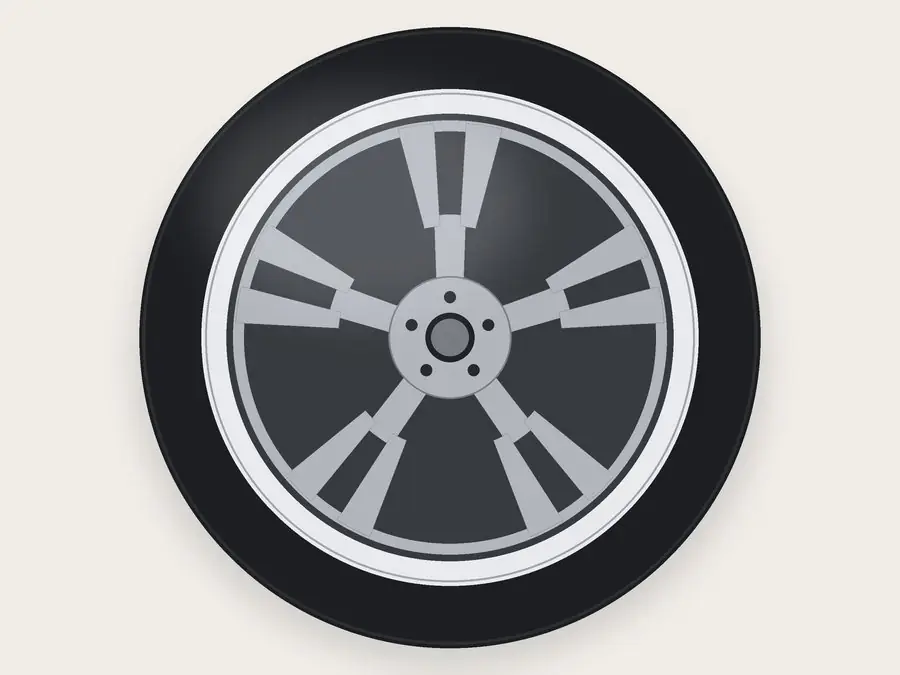
Forged, concave face
BBS FI-R forged wheels for Australian owners
The BBS FI-R develops the forged FI with a deeper, concave twin-spoke face and is aimed at the same high-performance cars, Porsche models in particular. Buyers in Australia can go through an authorised dealer or importer for a new set or buy a used one privately. Either way, fitment and offset need checking against the state rules, and the dark and bronze finishes common on the FI-R need some care under strong sun.
- Construction
- One-piece forged aluminium
- Predecessor
- BBS FI
- Spoke style
- Twin spokes, concave profile
- Typical cars
- Porsche and other sports cars
- Finishes
- Varied by market, often dark or bronze tones
BBS FI-R wheels in Australia
Fitments and offset
FI-R sizes are matched to specific cars, often staggered, and the range differs by market. For a new set, the current fitment list from BBS or an authorised importer or dealer is the reference. For a used set, read size and offset from the rear markings and compare them with your car's original wheels. Concavity depends on offset, so a set bought for its look may sit lower in offset than the factory wheels. Wheel and tyre changes are covered by state roadworthy and registration rules, with VSB 14 section LA (the National Code of Practice for Light Vehicle Construction and Modification) as national guidance. Check with your state transport authority, such as Transport for NSW, VicRoads or TMR in Queensland, and a certifier if the change is significant. The offset guide explains the numbers.
Dark and bronze finishes in Australian sun
Darker and bronze tones are common on the FI-R. Under strong UV any finish can shift slowly over the years, and a refinished or replacement wheel may look different next to the originals. Photograph the set in daylight when you buy it, note any date or batch details on the rear, and keep a sealant on the faces. Let the wheels cool before washing after a summer drive or a track session, because cleaner dries fast on a hot surface and can mark it. See caring for BBS wheels.
Buying used
Used FI-R sets come up through Porsche and marque clubs, model forums, Facebook Marketplace and eBay Australia. Concave twin-spoke copies are everywhere, so ask for a photo of each wheel's rear face with the markings legible. Check the outer lip of the wide rears for kerb damage, the inner barrel for pothole impacts and the inside of the spokes for caliper rub marks. On centre-lock versions, look at the drive pins and nut seat. Check imported sets for freight damage as well. The used buying guide has a full checklist.
Club track days
Some FI-R owners take their cars to club days at circuits such as Phillip Island or Sydney Motorsport Park. The FI-R is aimed more at fast road cars than at lap times, though as a one-piece forged wheel it has no rim bolts or sealant to look after. Recheck torque after fitting, inspect the wheels once they have cooled and replace any adhesive weights that came loose in the heat. The forged vs cast guide explains the construction.
How the FI-R developed
The FI was well received but some owners wanted more depth in the face. The FI-R answers that by changing the spoke profile so the face is more concave, especially on wider rear wheels. The general layout, with paired spokes joining near the hub, stays recognisably the same.
Construction
Like the FI, it is forged in one piece and machined. Concavity on a forged wheel depends on width and offset, so the deepest look appears on wide rear fitments with lower offsets. The spokes are back-milled to save weight. As a one-piece wheel it has no rim bolts or sealant to maintain. See forged vs cast for why the process allows thinner sections.
Fitment
Fitments target specific cars, often with staggered sizes. Large brakes and centre-lock hubs on some cars require particular versions. Because concavity changes with offset, two FI-R wheels of the same diameter can look different. Sizes varied by market; check the current fitment list from BBS or an authorised importer, and read the offset guide.
Telling an FI-R from the FI and from copies
The quickest way to separate an FI-R from an FI is the side profile. The FI-R spokes dip further towards the hub, especially on the rear wheels. The rear casting also names the model, along with size, offset and test marks. Concave twin-spoke copies are everywhere, and most give themselves away with plain spoke backs and a higher weight. If you cannot inspect in person, ask for a photograph of each wheel's rear face with the markings legible.
How concavity relates to offset
A concave wheel gets its depth from the gap between the mounting face and the outer lip. Lower offset on a wide wheel moves the mounting face inwards and leaves more room for the spokes to sweep back, so the deepest FI-R wheels are wide rears with low offsets. Fronts on the same car are usually narrower and need more offset to clear the suspension, so they look flatter. Owners who want front and rear to look alike sometimes pick wider fronts, but that changes steering feel and tyre choice and needs checking against the arch. The fitment guide goes through the numbers.
Compared with the RI-D, the FI-R is aimed less at lap times and more at owners who want a light forged wheel with a strong look on a fast road car.
Finishes
FI-R finishes have changed over the years and differ by market. Darker tones and bronze-type colours have been common. Ask the seller which finish a set has, since matching a single replacement wheel later depends on it, and a refinished wheel can look slightly different in sunlight next to an original.
Photograph the wheels when you buy them, in daylight, so you have a record of the finish if you need to match one later.
Note the date stamp or batch details on the rear as well, if present.
Wear points on used FI-R wheels
The deep face moves the spoke faces back from the kerb, so the lip on wide rear wheels takes most of the impact damage. Check it carefully, along with the inner barrel where low-profile tyres offer little cushion against potholes. On cars with large calipers, look for rub marks on the inside of the spokes, which mean the fitment was too tight and spacers may have been needed. As with the FI, centre-lock versions should be checked for wear at the drive pins and nut seat.
Cleaning and fitting
The concave shape makes a trap for brake dust in the area just around the hub. A long, narrow brush reaches it without scratching the spoke faces. Have tyres fitted with the wheel clamped from the inside where possible, as clamps on the outer lip of a dark or bronze finish leave marks. Balance with adhesive weights placed behind the spokes so they stay out of sight. Recheck torque after the first drive on any new or refitted forged wheel.
Frequently asked questions
Where can I check FI-R fitments for my car in Australia?
Start with the current fitment list from BBS or an authorised importer or dealer, since sizes vary by market. For a used set, read size and offset from the rear markings and compare them with your car's original wheels. If offset or width changes, check your state's roadworthy rules too.
Do dark FI-R finishes fade in the Australian sun?
Any finish can change slowly under strong UV, and refinished wheels may not match originals exactly. Photograph the set in daylight when you buy it, keep a sealant on the faces and avoid cleaning the wheels while they are hot from driving.
Why do FI-R rear wheels look deeper than the fronts?
Concavity comes from width and offset. Wide rear wheels with lower offsets leave more room for the spokes to sweep back, while narrower fronts with higher offsets look flatter. Choosing wider fronts to match changes steering feel and may change what your state's roadworthy rules require.
What is the difference between FI and FI-R?
The FI-R has a more concave spoke profile. Both are one-piece forged wheels with a twin-spoke layout.
Is the FI-R lighter than the FI?
Weights depend on size and offset. Compare published figures for the same size rather than assuming.
Does the FI-R suit cars other than Porsche?
Fitments have been offered for several high-performance cars. Check the current list for your model.
Can the concave look be had on front wheels?
Front wheels are usually narrower with higher offsets, so they show less concavity than the rears.