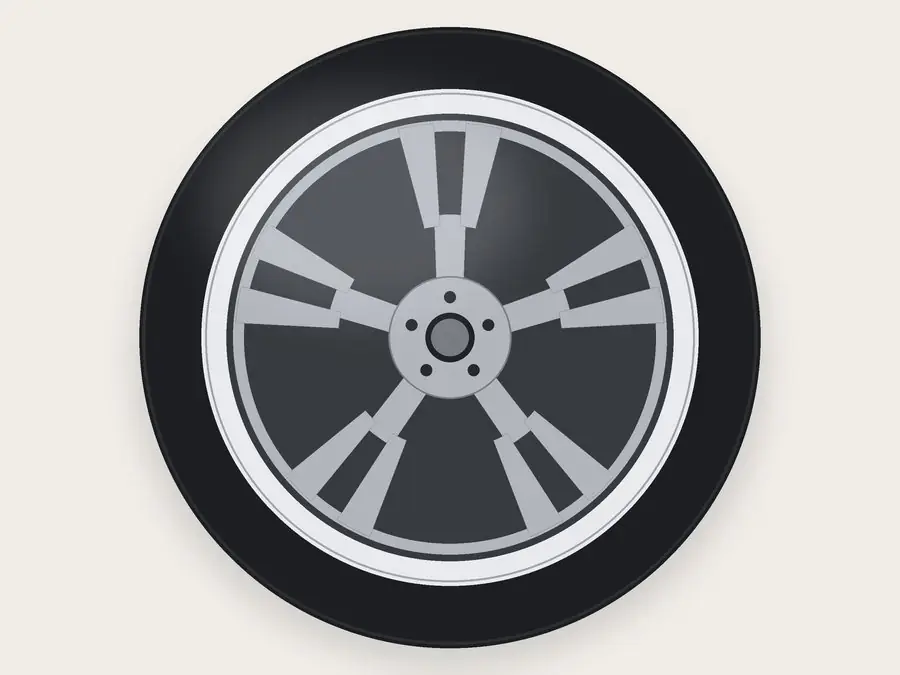
Forged one-piece, successor to FI
BBS FI-R wheels
The FI-R takes the forged FI and gives it a more concave face, so the spokes sweep further back towards the hub. It is aimed at the same high-performance cars.
- Construction
- One-piece forged aluminium
- Predecessor
- BBS FI
- Spoke style
- Twin spokes, concave profile
- Typical cars
- Porsche and other sports cars
- Finishes
- Varied by market, often dark or bronze tones
How the FI-R developed
The FI was well received but some owners wanted more depth in the face. The FI-R answers that by changing the spoke profile so the face is more concave, especially on wider rear wheels. The general layout, with paired spokes joining near the hub, stays recognisably the same.
Construction
Like the FI, it is forged in one piece and machined. Concavity on a forged wheel depends on width and offset, so the deepest look appears on wide rear fitments with lower offsets. The spokes are back-milled to save weight. As a one-piece wheel it has no rim bolts or sealant to maintain. See forged vs cast for why the process allows thinner sections.
Fitment
Fitments target specific cars, often with staggered sizes. Large brakes and centre-lock hubs on some cars require particular versions. Because concavity changes with offset, two FI-R wheels of the same diameter can look different. Sizes varied by market; check the current fitment list from BBS or an authorised importer, and read the offset guide.
Telling an FI-R from the FI and from copies
The quickest way to separate an FI-R from an FI is the side profile. The FI-R spokes dip further towards the hub, especially on the rear wheels. The rear casting also names the model, along with size, offset and test marks. Concave twin-spoke copies are everywhere, and most give themselves away with plain spoke backs and a higher weight. If you cannot inspect in person, ask for a photograph of each wheel's rear face with the markings legible.
How concavity relates to offset
A concave wheel gets its depth from the gap between the mounting face and the outer lip. Lower offset on a wide wheel moves the mounting face inwards and leaves more room for the spokes to sweep back, so the deepest FI-R wheels are wide rears with low offsets. Fronts on the same car are usually narrower and need more offset to clear the suspension, so they look flatter. Owners who want front and rear to look alike sometimes pick wider fronts, but that changes steering feel and tyre choice and needs checking against the arch. The fitment guide goes through the numbers.
Compared with the RI-D, the FI-R is aimed less at lap times and more at owners who want a light forged wheel with a strong look on a fast road car.
Finishes
FI-R finishes have changed over the years and differ by market. Darker tones and bronze-type colours have been common. Ask the seller which finish a set has, since matching a single replacement wheel later depends on it, and a refinished wheel can look slightly different in sunlight next to an original.
Photograph the wheels when you buy them, in daylight, so you have a record of the finish if you need to match one later.
Note the date stamp or batch details on the rear as well, if present.
Wear points on used FI-R wheels
The deep face moves the spoke faces back from the kerb, so the lip on wide rear wheels takes most of the impact damage. Check it carefully, along with the inner barrel where low-profile tyres offer little cushion against potholes. On cars with large calipers, look for rub marks on the inside of the spokes, which mean the fitment was too tight and spacers may have been needed. As with the FI, centre-lock versions should be checked for wear at the drive pins and nut seat.
Cleaning and fitting
The concave shape makes a trap for brake dust in the area just around the hub. A long, narrow brush reaches it without scratching the spoke faces. Have tyres fitted with the wheel clamped from the inside where possible, as clamps on the outer lip of a dark or bronze finish leave marks. Balance with adhesive weights placed behind the spokes so they stay out of sight. Recheck torque after the first drive on any new or refitted forged wheel.
Frequently asked questions
What is the difference between FI and FI-R?
The FI-R has a more concave spoke profile. Both are one-piece forged wheels with a twin-spoke layout.
Is the FI-R lighter than the FI?
Weights depend on size and offset. Compare published figures for the same size rather than assuming.
Does the FI-R suit cars other than Porsche?
Fitments have been offered for several high-performance cars. Check the current list for your model.
Can the concave look be had on front wheels?
Front wheels are usually narrower with higher offsets, so they show less concavity than the rears.