RE-V in Australia
BBS RE-V forged wheels in Australia
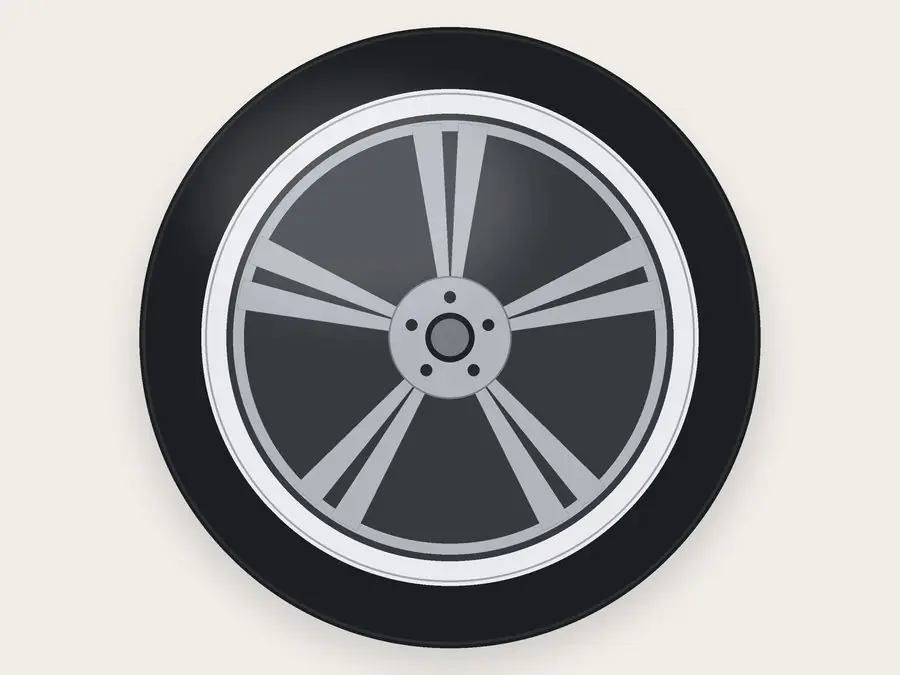
The RE-V is a forged monoblock from BBS Japan, with seven spokes that split into fourteen arms at the rim. In Australia it is a familiar sight on cars such as the Toyota GR86, Subaru BRZ, Honda Civic Type R, Nissan GT-R and Porsche 911, both on the street and at circuit days. Below are Australian notes on sizes, used and imported sets, track and climate wear, and state wheel rules, followed by the general RE-V reference.
- Construction
- One-piece forged aluminium
- Spokes
- 14, arranged as seven split pairs
- Made in
- Japan
- Typical use
- Road and track day performance cars
- Related model
- RE-V7 (seven-spoke successor design)
The BBS RE-V in Australia
The cars the RE-V is usually fitted to, including the GR86 and BRZ, Civic Type R, GT-R, 911 and BMW M models, all have a strong following here. Many owners run them at track days at Sydney Motorsport Park, Phillip Island or Queensland Raceway, and road and track day use is what the RE-V was made for, so a lot of used sets have seen circuit work.
Sizes and fitment
The RE-V comes in both five-stud patterns used by Japanese and European makers, and BBS changes the size list over time and by market. Use the current BBS or importer fitment list for your exact car, not a forum post written for a Japanese or US model. Front and rear sizes often differ on the 911 and GT-R, so check every wheel in a used set. Brake clearance always depends on the calliper and offset; test fit one bare wheel first. The offset guide explains the numbers.
Buying used or imported
Used RE-Vs appear on Gumtree, Facebook Marketplace, eBay Australia and model forums for the GR86, BRZ, Type R and GT-R. Sets are also brought in from Japan. Split spokes make the RE-V easy to copy from the front, so check the back for the BBS name, size, inset, bolt pattern, code and the JWL and VIA marks, and look at the inner faces of each split. On an imported set, inspect the rim edges between spoke pairs for freight or pothole damage. See identifying BBS wheels and buying used BBS wheels.
Track days and the climate
Track brake dust is hot and abrasive, and on a summer day at the circuit it bakes onto the finish quickly. Wash it off soon after a session, once the brakes have cooled. Strong UV and coastal salt air also work on clear coat, and the machined surfaces on many RE-V finishes show damage early. Check the thin arms for hairline cracks after every track weekend. Forged aluminium should not be welded. More in caring for BBS wheels.
Rules on wheel changes
In Australia, wheel and tyre changes are covered by state roadworthy and registration rules, with VSB 14 section LA as national guidance. A size that matches the car's original fitment is a different matter from a wider wheel with a new offset. Check with your state transport authority, such as Transport for NSW, VicRoads or TMR, and an engineer or certifier where needed. Compare the RE-V7 and the RI-A.
Where the RE-V fits in the range
BBS has used the RE prefix for several forged one-piece wheels built in Japan. The RE-V is the version most buyers outside Japan see. It shares its basic method with the RI-A and RG-R: a single forging, machined to shape, with no bolts or separate barrel.
In the BBS line-up it sits below the very light pieces such as the RI-D. Buyers tend to pick it for the open spoke design, which shows off big brakes, and for weight that is low for a road wheel without the price of the top models.
Design and construction
Each of the seven spokes leaves the hub as one piece and divides into two arms before it reaches the rim. That gives a fourteen-spoke look from a distance and a very open face. The spokes are machined after forging, and many finishes leave a cut edge or machined lip that catches the light.
Forging presses a heated aluminium billet into a die under very high pressure. The grain of the metal follows the shape of the part, so a forged wheel can be made thinner than a cast one for the same strength. Our page on forged versus cast BBS wheels explains the trade-offs. On the RE-V the result is a stiff wheel that does not flex much under cornering loads, which matters on track.
Because it is a monoblock, width and offset are fixed at the factory. You cannot rebuild it to a new width the way you can with a three-piece RS. Choose the size carefully.
Sizes and typical cars
The RE-V was offered in a range of common performance sizes, with diameters in the high teens and above and both five-stud patterns used by Japanese and European makers. The exact list of widths and offsets has changed over the years and differs by market, so check the current BBS fitment list for your car rather than relying on a forum post.
You will often see it on cars such as the Toyota GR86 and Subaru BRZ, Honda Civic Type R, Nissan GT-R, Porsche 911 and various BMW M cars. The wheel is designed to clear larger brake callipers, but clearance always depends on the calliper and the offset. A test fit with one wheel before mounting tyres saves a lot of trouble.
How to identify a genuine RE-V
Turn an RE-V over and look between the spoke pairs on the back of the hub. A genuine wheel from BBS Japan has the BBS name, the size, the inset, the bolt pattern and a model or part code. You should also see the Japanese JWL and VIA marks. On a forging these are machined or stamped into a smooth surface and look sharp. Raised, grainy lettering suggests a casting.
The split spokes make the RE-V easy to copy from the front, and cast copies exist. Check the inner face of each split. BBS machines these surfaces, so they should be smooth and even from one spoke to the next. Uneven gaps between the two arms of a pair, or arms that differ in thickness, point to a copy. Weigh one wheel if you can and compare it with the figure BBS lists for that size. More tips are in identifying BBS wheels.
Buying a used set
The thin split arms are the first place to look on a used RE-V. Shine a torch along each one, front and back, and look for hairline cracks where the arms join the main spoke and where they meet the rim. A wheel that has hit a pothole hard can bend at the rim edge between two spoke pairs, so spin each one on a balancer and watch the lip.
The narrow gaps between the split arms also make refinishing slower than on a simple five-spoke. Masking and painting fourteen arms properly takes time, so a set with scuffed faces will cost more to put right than it looks. Forged aluminium should not be welded, and a repaired RE-V is best avoided. Check that the four wheels you are buying share the size and inset you expect, because front and rear sizes often differ on cars like the 911 and GT-R. The used buying guide has a full checklist.
Care
Use a pH-neutral wheel cleaner and a soft brush. Acid cleaners can mark machined and clear-coated surfaces. Brake dust is abrasive and hot, so wash it off regularly on a car that sees track use. Torque the nuts or bolts to the car maker's figure with a torque wrench, in a star pattern, and check them again after the first drive. More advice is in caring for BBS wheels.
Frequently asked questions
Is the BBS RE-V popular in Australia?
It is a common choice for Japanese and European performance cars sold here, including the GR86, BRZ, Civic Type R, GT-R, Porsche 911 and BMW M models. Many are used at track days as well as on the road, so used sets range from lightly used to well worked.
What should I check on a used RE-V that has done track days?
Shine a torch along each split arm, front and back, and look for hairline cracks where the arms join the spoke and meet the rim. Spin each wheel on a balancer to check the lip for bends. Avoid any wheel that has been welded, and confirm all four sizes and insets.
Do I need to tell anyone if I fit RE-V wheels to my car?
Wheel changes in Australia fall under your state's roadworthy and registration rules, guided by VSB 14 section LA. A change in size or offset may need checking. Ask your state transport authority, and an engineer or certifier if the wheels differ from the original fitment.
Is the BBS RE-V forged or cast?
It is forged. The wheel is a one-piece forging made in Japan and then machined to its final shape.
What is the difference between the RE-V and the RE-V7?
The RE-V has seven spokes that each split into two, giving fourteen arms at the rim. The RE-V7 uses seven bolder spokes in a crossing pattern. Both are forged one-piece wheels.
Can an RE-V be rebuilt to a different width?
No. It is a monoblock, so the width and offset are fixed. Only multi-piece wheels can be rebuilt with new barrels.
Will an RE-V clear big brakes?
It was designed with an open face and is often fitted over upgraded brakes, but clearance depends on the calliper and the offset. Test fit one wheel first.