RI-A in Australia
BBS RI-A forged wheels in Australia
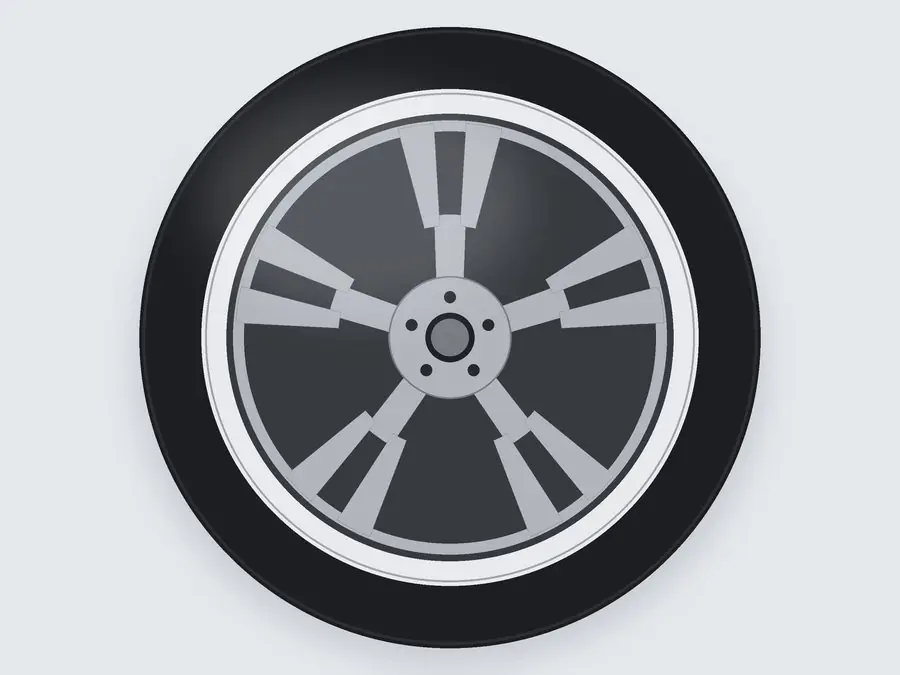
The RI-A is a one-piece forged aluminium wheel from BBS Japan, styled after the company's racing wheels and popular on Japanese sports cars and European performance models. In Australia many RI-A sets live on cars that see regular circuit work, which changes how a used set wears and how you should care for one. Notes on that, on imports and on state wheel rules come first, then the general RI-A reference.
- Construction
- One-piece forged aluminium
- Made by
- BBS Japan
- Spoke style
- Twin spokes forming a Y pattern
- Typical use
- Performance road cars and track days
- Related models
- RI-D, RE-V, RG-R
The BBS RI-A in Australia
Owners use the RI-A for club days and time attack at venues such as Sydney Motorsport Park, Phillip Island and Queensland Raceway, and plenty of sets have done more track kilometres than road ones.
Sizes and brake clearance
RI-A sizes and offsets varied by market and over the production run. Use the current BBS Japan or importer listing for your car, not a size list from another market. Big-brake kits and some factory performance callipers need a specific spoke profile and offset to clear, so use the calliper template for your car. The fitment and offset guide explains offset, width and backspacing.
Buying used or imported
Sets come up on Gumtree, Facebook Marketplace, eBay Australia and in car-specific forums, and many come in from Japan. Look for kerb scuffs on the outer lip, heat discolouration near the hub from hard braking, and worn lug seats from frequent swaps between road and track tyres. Check the racing-style centre caps are present. Lookalikes copy the face but usually have flat, unmachined spoke backs and feel heavy; a genuine wheel has the model name, size, offset, JWL mark and usually a VIA stamp on the back. Inspect imports for freight damage when they land. See identifying BBS wheels and buying used BBS wheels.
Heat, dust and long drives
Australian summer track days are hot. Let the brakes cool before washing, as cold water on a hot wheel and calliper does neither any good. Track pad dust is aggressive, so clean it off within a day or two, especially if the car then sits in strong sun. If you drive a long way to a circuit, a second set of RI-As for track tyres saves remounting tyres every weekend and lowers the chance of a tool biting the lip. Recheck lug nut torque after the first outing. More in caring for BBS wheels.
Rules on wheel changes
Wheel and tyre changes in Australia fall under state roadworthy and registration rules, with VSB 14 section LA as the national guidance. A car set up for track with different wheels and tyres may need checking before it is used on the road. Ask your state transport authority, such as Transport for NSW, VicRoads or TMR, and an engineer or certifier where needed. Compare the RI-D and RE-V, and read BBS in motorsport for the racing background.
Background
BBS has run a forging operation in Japan for decades, and many of its lightest wheels come from there rather than from the German plants. The RI-A belongs to that line. It borrows its look from the wheels BBS supplied to racing teams in Japanese touring car and GT series, where a forged centre with thin, deep spokes was the norm.
The RI-A sits below the RI-D in the range. The RI-D uses a more exotic alloy and costs more; the RI-A uses forged aluminium and is aimed at a wider group of owners. Both share the same basic idea of a light wheel with a racing profile that still works on a road car. For the wider story see BBS history and BBS in motorsport.
Construction and design
Forging starts with a solid billet of aluminium that is pressed under very high load into the rough wheel shape, then machined to the final profile. The process gives a denser grain structure than casting, so the same strength can be reached with less material. That is where the weight saving comes from. Our guide to forged vs cast BBS wheels explains the difference in more depth.
The RI-A face uses pairs of spokes that join near the hub, giving the Y shape that runs through much of the BBS racing catalogue. The spokes are machined on the back to remove material that does not carry load. A raised rim lip and a centre-lock style cap complete the motorsport look, though the wheel bolts on with ordinary lug nuts or bolts.
Fitment and typical cars
Sizes and offsets varied by market and changed over the production run, so check the current BBS Japan or importer listing rather than relying on old forum posts. The wheel has been popular on Japanese sports cars and on European performance models, and owners often choose it for track use because a lighter wheel reduces unsprung and rotating mass.
Brake clearance matters. Big-brake kits and some factory performance calipers need a specific spoke profile and offset to clear, so confirm the fit with the caliper template for your car. The fitment and offset guide explains how offset, width and backspacing interact.
Checking an RI-A is genuine
Turn the wheel over. An RI-A from BBS Japan has the model name, size and offset machined or cast into the rear of the hub area, along with the JWL mark Japanese law requires and usually a VIA stamp. The spoke backs show deep, clean milling pockets. Many RI-A lookalikes copy the twin-spoke face well enough from the front, but they tend to have flat, unmachined spoke backs and a much heavier feel when you lift them. A forged 18 inch wheel of this type is light enough that most people notice the difference straight away. More on reading the markings is in identifying BBS wheels.
What goes wrong on used RI-A wheels
Because so many RI-A sets end up on track cars, the wear pattern is different from a road wheel. Look for scuffs on the outer lip from track-side kerbs, heat discolouration near the hub from hard braking, and worn lug seats from wheels being swapped between road and track tyres many times. Damaged seats let the nuts sit unevenly, so run a finger round each one. Check that the centre caps are present; the racing-style caps are easy to lose and not always inexpensive to replace.
Forging tolerates a small bend better than a casting does, and experts can often straighten a lip. Be wary of any wheel that has been welded, since heat changes the temper of forged aluminium. Buying used BBS wheels has a general checklist.
Running RI-A wheels on track
Swap between track and road tyres on a second set of RI-As rather than having the same wheels remounted every weekend; each tyre change is a chance for a tool to bite the lip. Ask the tyre shop to use adhesive weights on the inner barrel. After a session, let the brakes cool before washing, as cold water on a hot wheel and caliper does neither any good. Brake dust from track pads is more aggressive than road dust, so clean it off within a day or two. Use the correct lug nut seat for your car and torque with a wrench, rechecking after the first outing on new wheels.
Frequently asked questions
Is the BBS RI-A a good track day wheel in Australia?
Many owners use it that way, at club days and time attack events. Check brake clearance, tyre size and the load rating for your car, and inspect the wheels regularly for lip damage, heat marks near the hub and worn lug seats. A separate track set saves repeated tyre changes.
Where can I buy BBS RI-A wheels in Australia?
Used sets appear on Gumtree, Facebook Marketplace, eBay Australia and car-specific forums, and many are imported from Japan. For new wheels, check the current BBS Japan or authorised importer listing for your car. With any used or imported set, confirm the markings on the back of every wheel.
Can I drive on the road with my track RI-A setup?
Road use depends on your state's roadworthy and registration rules, which follow VSB 14 section LA. A different size, offset or tyre from the original may need checking. Ask your state transport authority, and an engineer or certifier if the setup moves away from standard.
Is the BBS RI-A forged or cast?
It is a one-piece forged aluminium wheel made by BBS Japan.
How does the RI-A differ from the RI-D?
The RI-D uses a more expensive, lighter alloy and is positioned above the RI-A. The RI-A is forged from aluminium and costs less.
Can I use RI-A wheels on track?
Many owners do. Check brake clearance, tyre size and the load rating for your car, and inspect the wheels regularly for damage.
What sizes were offered?
Sizes and offsets varied by market and over time. Check the current BBS Japan listing or an authorised importer for the specific fitment for your car.