Guides, UK
BBS wheel guides, with notes for the UK
Eight in-depth guides for people who own or are buying BBS wheels, each with a UK section. They cover history, identification, fitment, buying used, refurbishing three-piece wheels, construction and care. The UK notes differ from guide to guide: fitment and buying deal with the MOT and insurance, while care and refurbishing deal with road salt, potholes and winter storage.
-
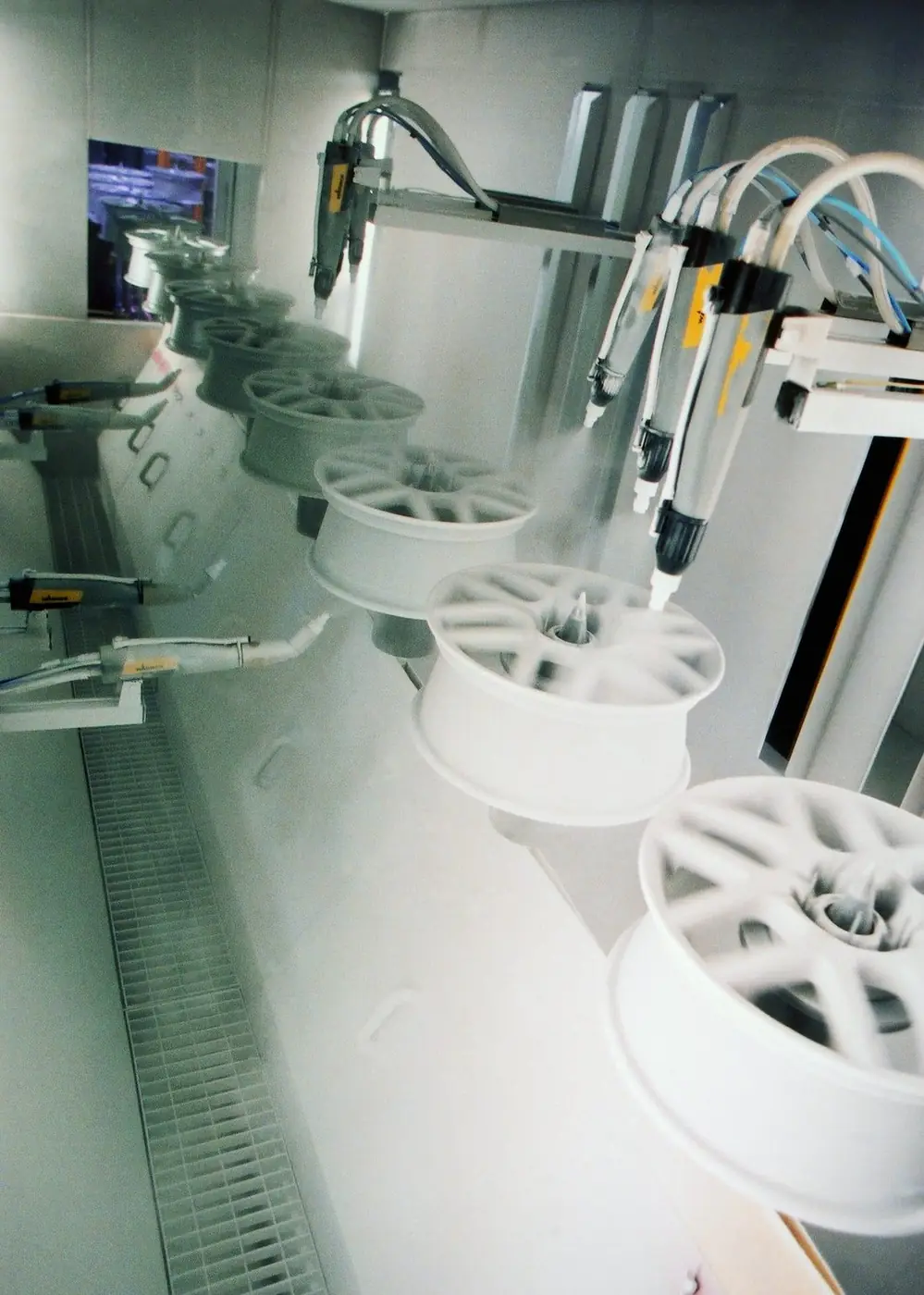 A history of BBS wheels
Company history, 1970 to now
-
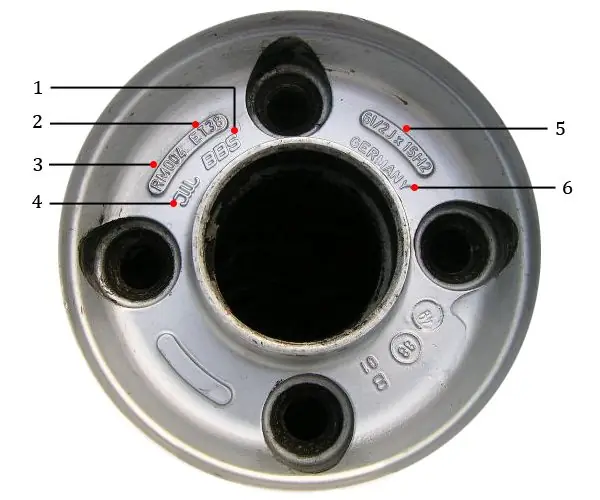 How to identify BBS wheels
Practical guide
-
 Wheel fitment and offset explained
Technical guide
-
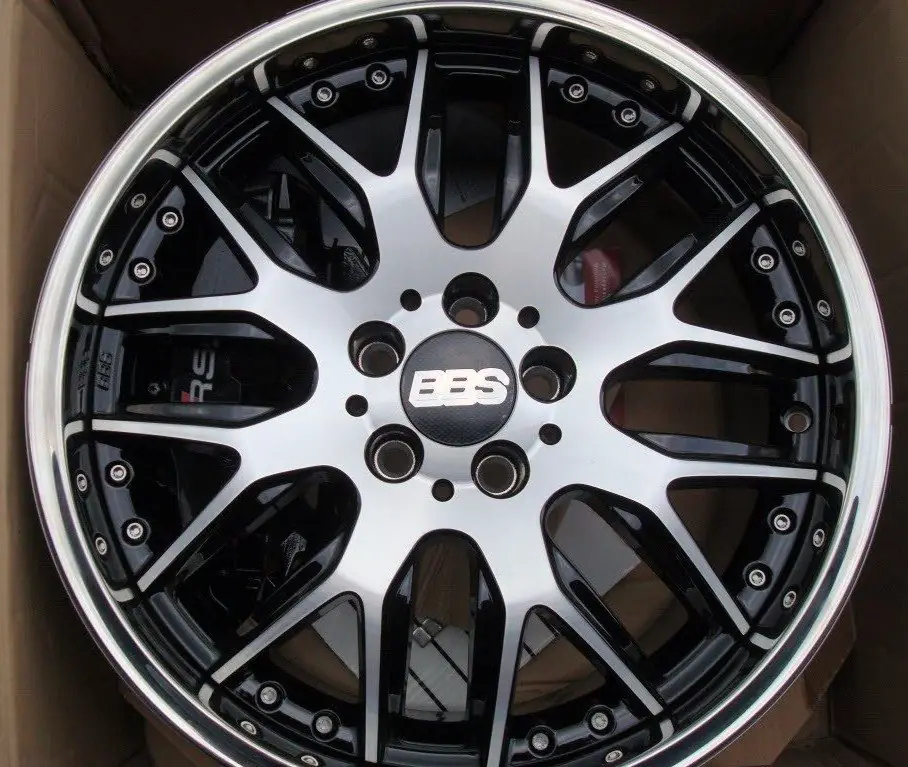 Buying used BBS wheels
Buyer's guide
-
 Refurbishing three-piece BBS wheels
Restoration guide
-
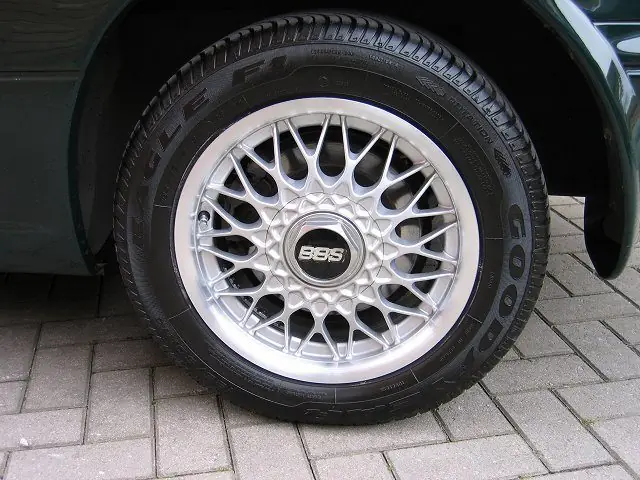 Forged versus cast BBS wheels
Construction guide
-
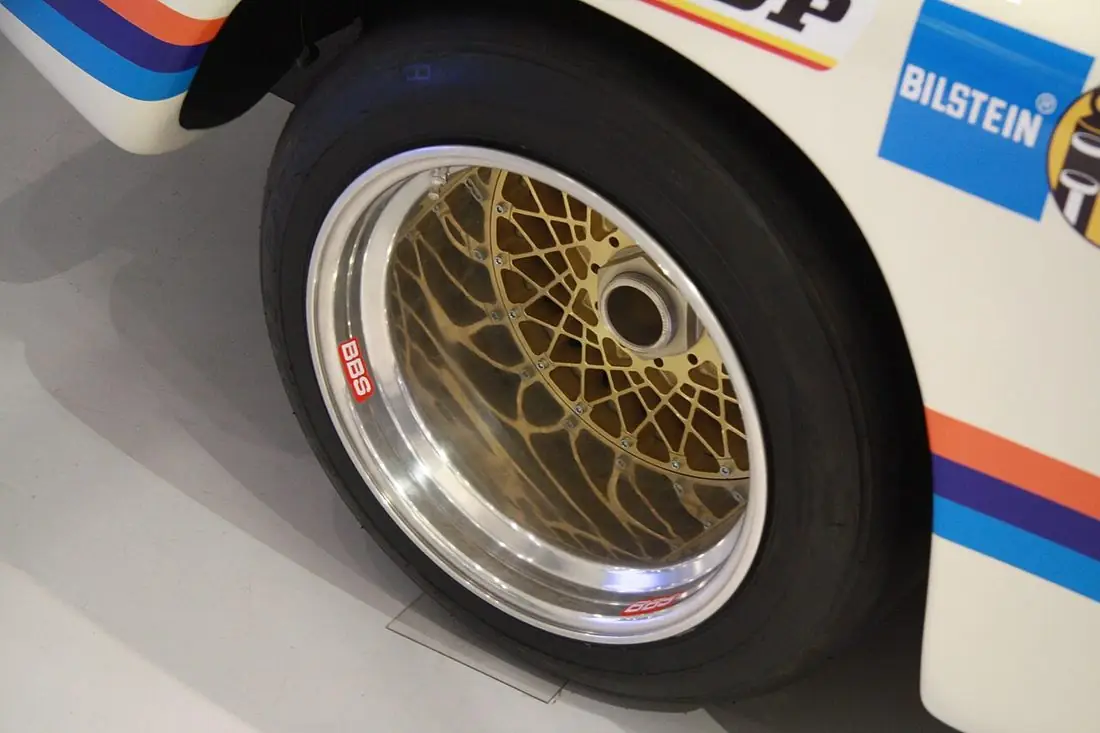 BBS in motorsport
Racing history
-
 Caring for BBS wheels
Maintenance guide
How the guides apply in the UK
The technical content applies everywhere. The UK sections cover the MOT, insurance, where sets are sold and what British roads do to a wheel.
Buying and fitting
Looking at a set for sale? Start with identification, move on to buying used and finish with fitment and offset. They cover reading stamps, checking a set from eBay UK, Gumtree, PistonHeads or a club forum, and getting the figures right. The UK has no wheel approval scheme, so the fitment guide explains what the MOT checks and why the wheels must be declared to your insurer.
Owning and restoring
Caring for BBS wheels deals with road salt, grit, wet brake dust and storing a set over winter. Refurbishing three-piece wheels explains splitting, resealing and rebuilding, and what to ask a refurbisher before leaving a set with them.
Background
The history guide explains how the Schiltach company came to have separate German and Japanese ranges, which helps when a JDM import wears unfamiliar markings. BBS in motorsport and forged versus cast are useful if you are choosing wheels for track days at Silverstone, Brands Hatch or Donington Park.
Sets from the EU and Japan
A set bought from Germany or Japan needs the same checks as one bought locally, and a couple more. The identification guide covers Japanese-market markings, and the buying guide covers paying at a distance and the VAT and handling charges that EU purchases may now carry. Check the fitment figures before anything is shipped, since returning wheels from abroad is slow.
For individual wheels, the rim model index links to every series page.
Where to start
If you have a wheel in front of you and want to know what it is, begin with the identification guide. It explains where BBS stamps the part number, width, diameter and offset, and how to match those markings against the series tables on this site.
Planning to fit a set to a different car? The fitment guide works through offset, bolt pattern and centre bore with real numbers, so you can judge how far a wheel will sit in or out of the arch before you buy it. The buying guide then covers cracks, straightened barrels, mismatched halves and the paperwork worth asking for.
Owners of two- and three-piece wheels will find the refurbishment and care guides useful: they cover splitting a wheel, resealing it, new hardware and how to clean polished lips without dulling them.
Frequently asked questions
Which guide should I read before buying a used set in the UK?
The identification guide first, so you can read the markings, then the buying guide for cracks, repairs, copies and import costs. Finish with the fitment guide to check PCD, offset, centre bore and load rating against your car, and tell your insurer once the wheels are on.
Do the guides say what is legal on UK roads?
Only in general terms. They explain what the MOT checks on wheels and tyres, that wheels mustn't protrude beyond the bodywork unsafely, and that aftermarket wheels must be declared to your insurer. For a particular car, ask a tyre and wheel specialist and your insurer.