Road and circuit, UK
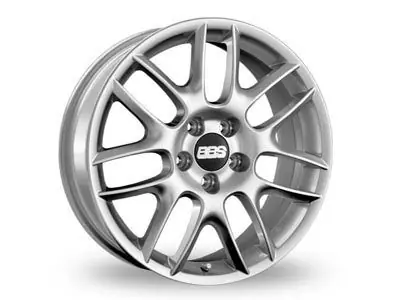
BBS CV wheels for UK roads and track days
The BBS CV is a cast one-piece road wheel without much public documentation. British owners tend to ask two things about it: whether it is up to an occasional track day at somewhere like Brands Hatch or Donington Park, and how to keep it looking right through a salty winter.
- Construction
- One-piece cast aluminium (C-series)
- Documentation
- Limited; specs not confirmed here
- Maker
- BBS
BBS CV wheels in the UK
Track days at British circuits
Track days run at Silverstone, Brands Hatch, Donington Park, Oulton Park, Snetterton, Castle Combe, Bedford Autodrome and elsewhere, and plenty of drivers turn up on cast road wheels like the CV. Brake heat is the main stress, and a wet day adds the risk of a trip across the grass and a kerb strike.
- Check bolt torque to the car maker's figure between sessions.
- Once the wheels have cooled, look for cracks, kerb damage and missing weights.
- Read the organiser's noise and technical rules before booking.
Drivers heading for the Nürburgring or doing regular circuit work usually move to a forged wheel. The forged vs cast guide explains why, and BBS in motorsport covers the racing history.
Winter salt and storage
Road salt and grit are the biggest threat to a CV's finish in Britain. They sit in chips and on the inner barrel and start corrosion that spreads under the paint. Many owners fit a winter set from November and store the CVs clean, dry and bagged. If you drive on them all year, rinse the salt off often, barrel included, and seal the wheels before winter starts. More in caring for BBS wheels.
Potholes, MOT and insurance
Potholes bend inner barrels, especially with low-profile tyres. The MOT checks wheels for cracks and distortion, bolts for presence and tightness, and tyres for tread depth and fouling. There's no separate approval for aftermarket wheels, but your insurer does need to know about them. If the CVs change width or offset from standard, check caliper and arch clearance with a bare wheel first, using the offset guide.
Buying a used set
Sets with track history appear on forums and in classifieds such as PistonHeads. Ask the seller how the wheels were used, then look for heat-browned paint on the inner barrel, rubber pick-up baked onto the rim and weights stuck in odd places. Any of these calls for a close crack check. The used buying guide lists the rest.
Identifying a CV
As with other less common BBS cast models, we have not confirmed the CV's size range or years from a reliable source. The wheel's own markings come first: brand, model or part code, size and ET on the back of the spokes or barrel. If those are missing or unclear, be careful. Our guide to identifying BBS wheels explains where to look and what the usual codes mean.
Cast road wheels on track
BBS is known for motorsport, but most of its racing wheels were forged or multi-piece. Cast road wheels are designed and tested for road loads, and many owners use them for the odd track day without trouble. A few points are worth keeping in mind:
- Track driving puts high cornering loads and heat into the wheel. Check wheels carefully after each event.
- Brake heat can soften inexpensive paint and cook balance-weight adhesive, so weights may fall off.
- Kerb strikes are more likely on circuit. A cast wheel is more likely to crack than bend on a hard hit.
- Use the correct torque and re-check it between sessions.
For regular track use, a lighter forged wheel is the usual choice. The forged vs cast guide explains why, and BBS in motorsport covers the brand's racing background.
Weight
Wheel weight affects acceleration, braking and ride, since it is both unsprung and rotating mass. Without confirmed factory weights for the CV we will not quote one. If weight matters to you, weigh a bare wheel on bathroom scales by standing on them with and without it, and compare with your factory wheels. The figures from different methods vary, so compare like with like.
Fitment
Five-spoke designs usually give good brake clearance, but the spoke profile near the rim can still touch large calipers. Test-fit a bare wheel and check the gap between the caliper and the back of the spokes. A gap of a few millimetres is enough for a road car but leaves no margin for a bigger brake kit later. Check offset against your arches too, using the offset guide.
Buying used
A set that has been used on track deserves a closer look. Ask directly. Signs include burnt or discoloured paint on the inner barrel, rubber pickup baked onto the rim, and balance weights in odd places where earlier ones fell off. None of these rules a set out, but they justify a careful crack check. See the used buying guide.
Looking after them
After a track day, wash the wheels once they have cooled. Hot brake dust on hot paint is at its most corrosive. Inspect each wheel inside and out while it is clean, and replace any lost weights before the next drive.
Winter and daily use
A cast one-piece wheel such as the CV is often a good choice for daily driving because it is simple to refinish if damaged. For winter, salt is the bigger threat. Wash wheels weekly in salty conditions, including the inner barrel, and seal them before the season. Painted finishes cope better than polished faces. Swap to a dedicated winter set if you can, and store the CV wheels clean and dry until spring. Check the inner barrels for corrosion when you take them out of storage.
If you notice white bubbling under the paint, have it dealt with before it spreads further under the lacquer.
Frequently asked questions
Can I use BBS CV wheels on a UK track day?
Many drivers run cast BBS road wheels at occasional track days. Recheck torque between sessions, inspect for cracks and lost weights once the wheels cool, and follow the organiser's technical rules. If you plan regular circuit use, a forged wheel is the usual upgrade.
Should I run my CVs through a British winter?
You can, but salt and grit will attack any chipped paint. Many owners swap to a winter set and store the CVs clean and dry. If you keep them on, wash off the salt regularly, including the inner barrel, and seal the wheels before the gritters come out.
Will a pothole-bent CV fail the MOT?
The tester looks for cracks and distortion, so a badly bent wheel can fail. Minor bends that only show on a balancer may pass but still cause vibration. A refurbisher can often straighten a bend. A cracked wheel needs replacing.
Can I use BBS CV wheels on track?
Many owners use cast BBS road wheels for occasional track days. Check them carefully afterwards and keep torque correct.
How much does a CV weigh?
We have not confirmed a factory figure. Weigh a bare wheel yourself and compare with your current wheels.
Are CV wheels forged?
No. The CV is part of BBS's cast one-piece range.
Why do balance weights fall off after track use?
Brake heat can soften the adhesive. Clean the surface well before refitting weights.