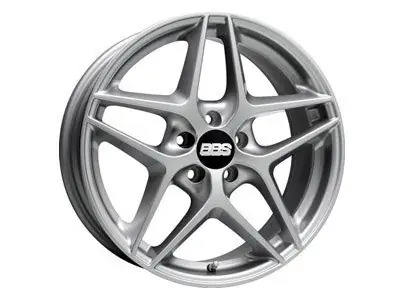
Lesser-known cast, AU
Buying BBS CF wheels in Australia
The BBS CF is a cast one-piece wheel with little reliable documentation, and in Australia it usually turns up second-hand, sometimes on or from an imported European car. With a model like this, what you ask the seller matters more than what the advert says. This page covers questions to put to Australian sellers, how car makers' part numbers can help, how to spot a copy, what the state roadworthy rules mean for a wheel change, and a fitting check suited to local conditions.
- Construction
- One-piece cast aluminium (C-series)
- Documentation
- Limited; specs not confirmed here
- Maker
- BBS
The BBS CF in Australia
An uncommon cast BBS like the CF rarely has a local paper trail. Most sets here are sold privately through Gumtree, Facebook Marketplace, eBay Australia or model forums, and some arrive with imported cars, so the seller's photos are usually your main evidence.
Questions for an Australian seller
- Clear photos of the back of each wheel, with all markings readable.
- The car the wheels came off, and whether hub rings were fitted.
- Whether each wheel runs true on a balancer.
- Any refurbishment history, and who did the work.
- For interstate sales, how the wheels will be packed and sent.
Freight is a real risk with wheels sent across the country or from overseas. Ask for each wheel to be boxed or wrapped with the faces protected, and check lips and barrels for new damage when they arrive.
Factory-supplied wheels on imported cars
If your CF set carries a car maker's cap or part number, it may have been a factory or dealer option. Searching that part number in the maker's parts catalogue, or asking a dealer parts counter, can confirm the size and original car, which is useful when the wheels came off a European car brought into Australia.
Copies and approval
Because buyers have few references for a CF, copies are worth ruling out. Look for neat cast BBS lettering rather than stickers, and a clean finish on the back of the spokes. Our guide to identifying BBS wheels goes further. Once you know what you have, check the fitment against your state's rules. Wheel and tyre changes in Australia are covered by state roadworthy and registration requirements and the national VSB 14 guidance, section LA. Your state transport authority, such as Transport for NSW, VicRoads or TMR in Queensland, can tell you what applies, and an engineer or certifier can help where needed.
Fitting check for local roads
Run through the fitting checklist above, then drive gently for a few kilometres and re-check the torque. If the car does gravel or rural roads, check the faces for stone chips after the first few trips, since chips on an uncommon wheel are worth touching in early. Replacements for a CF are hard to find in Australia, so straightening a bent wheel is often worth paying for. See buying used BBS wheels and the offset guide.
Why some BBS models are hard to research
BBS has produced a large number of designs since it started making wheels in the 1970s, and many cast models were sold for only a few years or only in some markets. Some were also made for particular car makers' accessory programmes. That leaves gaps. For the CF we have not found a reliable source for its exact launch year, size range or spoke design, and we would rather tell you that than fill the page with guesses. The wheel in front of you is the best evidence.
What to ask a seller
With a less common model, the questions you ask matter more than the advert text. Ask for:
- Clear photos of the back of each wheel, showing all markings.
- The car the wheels came off, and whether they were fitted with hub rings.
- A photo of each wheel spinning on a balancer, or at least a statement on whether they run true.
- Details of any refurbishment, and who did it.
A seller who cannot photograph the backs is worth treating with caution.
Accessory and OE-supplied wheels
BBS has made wheels for car manufacturers as factory fitment or dealer options. These wheels sometimes carry the car maker's part number and logo cap, with BBS marked on the casting. If your CF wheels have a car maker's cap, it may be worth searching that maker's part number as well, since dealer parts catalogues can confirm the size and original application.
Matching sizes
Read the diameter, width and ET from each wheel. Staggered sets, with wider rears, are common on rear-wheel-drive cars, so a set of four may not be four identical wheels. Check that front and rear tyres are the right sizes for each width, and that your car's handbook allows rotation if you plan to swap wheels front to back. Our offset guide helps work out clearance.
Repairs and refinishing
A cast CF is refurbished like any other one-piece alloy wheel: strip, repair, check runout, coat. Because replacements for uncommon models are hard to find, a straightening job is often worth doing even if it costs more than it would on a common wheel. If a wheel is cracked, look for another used one rather than a weld repair. See the used buying guide for more checks.
Telling it apart from copies
A rarely seen BBS name is a gift to anyone selling copies, because buyers have few references to compare with. Copy wheels often carry stickers or caps instead of moulded markings, and the casting on the back of the spokes is rough or porous. Genuine BBS cast wheels usually show neat, sharp lettering in the casting. If the seller says the wheels are BBS but cannot show any brand marking on the casting, assume they are not. Weight is another clue: very heavy wheels for their size suggest a lower-grade casting, though without factory data for the CF you can only compare with similar BBS cast wheels.
Fitting checklist
Once you have a CF set and know its markings, run through a short list before the first drive. Fit one bare wheel to the front hub and turn it through a full rotation to check caliper clearance. Fit the correct hub rings. Use bolts with the right seat and enough thread engagement, which on most cars means at least as many turns as the thread diameter in millimetres. Torque in a star pattern with a torque wrench, then drive gently for a few miles and re-check. Listen for rubbing on full steering lock and over bumps. If everything is quiet, the set is ready for normal use.
Keep a note of the torque used and the date, alongside your photos of the markings. It helps the next person who works on the car.
Frequently asked questions
Where do BBS CF wheels turn up in Australia?
Mostly through private sales on Gumtree, Facebook Marketplace, eBay Australia and model-specific forums, and sometimes with imported cars. Because documentation is thin, ask for photos of the back of every wheel and the car they came off before you arrange to inspect them.
Is it worth repairing a damaged CF rather than replacing it?
Often, yes. Spare CF wheels are hard to find locally, so straightening a bend can make sense even if it costs more than on a common wheel. A cracked wheel is different. Many refurbishers will not weld cracks on road wheels, so look for another used wheel instead.
What years was the BBS CF made?
We have not been able to confirm the production years from a reliable source. The date stamp on the wheel gives the casting date of that example.
Is the CF a genuine BBS?
BBS used the CF name, but always check the casting markings to rule out copies.
How can I find the original car application?
If the wheels carry a car maker's part number, a dealer parts catalogue may confirm it.
Can a cracked CF be welded?
Many refurbishers will not weld cracks on road wheels. Replacing the wheel is usually the safer choice.