Lesser-known cast, UK
BBS CM wheels in the UK: checking a used set
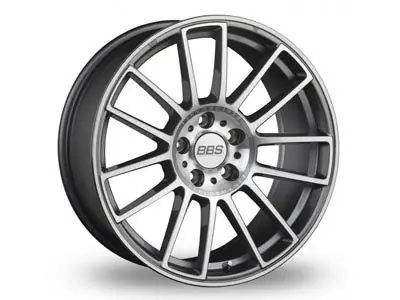
Not much is published about the BBS CM, a cast one-piece wheel that British buyers mostly come across second-hand on eBay UK, Gumtree or a forum classifieds board. With so little to go on, the wheel itself has to do the talking. A careful look at the markings, a few measurements and an honest check for winter corrosion will tell you more than the listing does, and a quick call to your insurer keeps the car covered once the set is on.
- Construction
- One-piece cast aluminium (C-series)
- Documentation
- Sparse; specs not confirmed here
- Maker
- BBS
Buying a BBS CM in the UK
Sellers often price an obscure model on the strength of the BBS badge. British demand mostly goes to the multi-piece and forged classics and to sizes that suit common cars, so a CM set is worth what its size and condition make it worth. Look at other cast models such as the CF in the UK catalogue to get a feel for the market.
Photos to ask for first
Before you drive across the country to collect, ask for daylight photos of the back of every wheel showing the BBS logo, part code, width, ET and date stamp. Sets that came over from Japan or the EU sometimes mix batches or carry repairs from a previous life, and the photos usually show it.
Fitment, MOT and insurance
Measure the PCD and centre bore if they aren't stamped, and compare width and offset with the wheels already on the car. The UK has no approval scheme for aftermarket wheels. The MOT tester looks at wheel condition, missing or loose bolts, tyre tread (at least 1.6 mm across the central three-quarters) and tyres fouling the body or suspension. Tell your insurer about the wheels, since an undeclared modification can affect a claim. The offset guide helps with the numbers.
Salt, grit and potholes
An older cast wheel that has done a few British winters often shows lacquer lifting near the rim edge and furry corrosion round the bolt holes. Road salt gets under any chip and spreads. Potholes leave flat spots on the inner barrel that you only see with the tyre off or on a balancer. A refurbisher can deal with corrosion and most bends. A cracked wheel is scrap for road use.
Caps, rings and bolts
Parts for a little-known model can be slow to find, and some will come from the EU or Japan, where import VAT and handling charges may apply. Measure the cap opening, both hub ring diameters and the bolt thread, length and seat before ordering. Our guides to buying used BBS wheels and caring for BBS wheels go further.
Starting with the wheel itself
When a model is poorly documented, the casting becomes your source. Clean the back of the wheel properly before reading it, since brake dust and old balance-weight glue can hide characters. A soft brush and degreaser usually does it. Then note the brand, model or part code, diameter, width, ET and any date or approval marks. Photograph them in good light. These photos will help with every later step, from tyres to hub rings to insurance.
Date stamps
Many cast wheels carry a small clock-style or numeric date stamp showing when the casting was made. This tells you roughly how old the wheel is and helps spot a set made up from different batches. A mixed set is not a problem in itself, but it may show slight differences in finish or machining.
Fitment
Measure the bolt pattern if it is not marked. For a 5-stud pattern, measure from the centre of one hole to the far edge of the hole two along, then convert, or use a PCD gauge. Check the centre bore with a vernier caliper. Compare offset and width with your current wheels, and remember that tyre width changes the picture too. The offset guide goes through the numbers.
Common faults on older cast wheels
- Corrosion under the lacquer, showing as white bubbling or a milky film, often near the rim edge and spoke roots.
- Kerb damage to the outer lip.
- Bends on the inner barrel from potholes.
- Damaged bolt seats from bolts tightened with a gun.
- Seized or corroded valve stems, which should simply be replaced.
All but cracks are usually fixable. A wheel with a crack should not go back on a road car.
Is it worth buying?
An uncommon cast BBS model is usually bought for its looks, and the price should reflect condition more than rarity. The main risk is a damaged wheel you cannot replace. If one of the four is bent or cracked, factor in the cost of repair or of buying a spare. Compare with similar BBS cast wheels in the catalogue before deciding. The used buying guide has a full checklist.
Getting caps, rings and bolts
Small parts are where uncommon models get awkward. BBS centre caps come in different diameters, so measure the cap opening before ordering. Hub rings are sized by two numbers, the wheel's bore and the car's hub diameter, both in millimetres. Bolts need the right thread, length and seat type for both the wheel and the car. With these three items correct, a CM set will fit as well as any current BBS wheel. Keep the old parts that came with the set until you have confirmed the new ones fit, as they are useful for measuring.
A note on rarity
Sellers sometimes describe uncommon BBS cast wheels as rare in the hope of a higher price. Rare and sought after are different things. Most demand for BBS wheels centres on the multi-piece and forged classics, and on newer road models that fit popular cars. A lesser-known cast model in a useful size, in good condition, can be a good-value way to put genuine BBS wheels on a car. One in an awkward size or poor condition may be hard to sell later. Think about how you will use the wheels and how long you plan to keep them.
Frequently asked questions
Will a BBS CM set pass the MOT?
The MOT doesn't approve wheel models. The tester checks that each wheel is free of cracks and serious distortion, that no bolts are missing or loose, that the tyres have legal tread and that nothing fouls the body or suspension. A sound CM set on suitable tyres has nothing special to worry about.
Do I need to tell my insurer about fitting BBS CM wheels?
Yes. Aftermarket wheels count as a modification, and insurers expect to be told. Leaving them off the policy can give the insurer grounds to reduce or refuse a claim. Keep photos of the markings in case you need to describe the set later.
What does CM stand for?
We have not seen a reliable explanation from BBS. Many BBS model codes are simply names rather than abbreviations.
How old is my CM wheel?
Look for a date stamp on the casting. It shows when that particular wheel was made.
Can I get a replacement single wheel?
Possibly from the used market, but uncommon models are harder to find. Repair is often the practical option.
Is corrosion under the paint serious?
It is mostly cosmetic but spreads over time. A refurbish removes it.