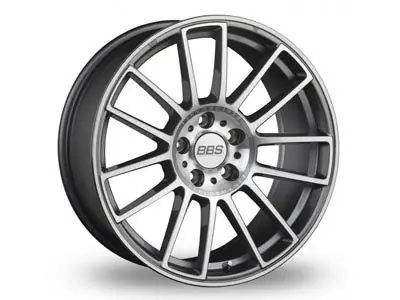
Lesser-known cast line
BBS CM wheels
The CM is a BBS cast model with very little reliable public documentation. Rather than repeat unverified specs, this page covers how to identify one and how to buy safely.
- Construction
- One-piece cast aluminium (C-series)
- Documentation
- Sparse; specs not confirmed here
- Maker
- BBS
Starting with the wheel itself
When a model is poorly documented, the casting becomes your source. Clean the back of the wheel properly before reading it, since brake dust and old balance-weight glue can hide characters. A soft brush and degreaser usually does it. Then note the brand, model or part code, diameter, width, ET and any date or approval marks. Photograph them in good light. These photos will help with every later step, from tyres to hub rings to insurance.
Date stamps
Many cast wheels carry a small clock-style or numeric date stamp showing when the casting was made. This tells you roughly how old the wheel is and helps spot a set made up from different batches. A mixed set is not a problem in itself, but it may show slight differences in finish or machining.
Fitment
Measure the bolt pattern if it is not marked. For a 5-stud pattern, measure from the centre of one hole to the far edge of the hole two along, then convert, or use a PCD gauge. Check the centre bore with a vernier caliper. Compare offset and width with your current wheels, and remember that tyre width changes the picture too. The offset guide goes through the numbers.
Common faults on older cast wheels
- Corrosion under the lacquer, showing as white bubbling or a milky film, often near the rim edge and spoke roots.
- Kerb damage to the outer lip.
- Bends on the inner barrel from potholes.
- Damaged bolt seats from bolts tightened with a gun.
- Seized or corroded valve stems, which should simply be replaced.
All but cracks are usually fixable. A wheel with a crack should not go back on a road car.
Is it worth buying?
An uncommon cast BBS model is usually bought for its looks, and the price should reflect condition more than rarity. The main risk is a damaged wheel you cannot replace. If one of the four is bent or cracked, factor in the cost of repair or of buying a spare. Compare with similar BBS cast wheels in the catalogue before deciding. The used buying guide has a full checklist.
Getting caps, rings and bolts
Small parts are where uncommon models get awkward. BBS centre caps come in different diameters, so measure the cap opening before ordering. Hub rings are sized by two numbers, the wheel's bore and the car's hub diameter, both in millimetres. Bolts need the right thread, length and seat type for both the wheel and the car. With these three items correct, a CM set will fit as well as any current BBS wheel. Keep the old parts that came with the set until you have confirmed the new ones fit, as they are useful for measuring.
A note on rarity
Sellers sometimes describe uncommon BBS cast wheels as rare in the hope of a higher price. Rare and sought after are different things. Most demand for BBS wheels centres on the multi-piece and forged classics, and on newer road models that fit popular cars. A lesser-known cast model in a useful size, in good condition, can be a good-value way to put genuine BBS wheels on a car. One in an awkward size or poor condition may be hard to sell later. Think about how you will use the wheels and how long you plan to keep them.
Frequently asked questions
What does CM stand for?
We have not seen a reliable explanation from BBS. Many BBS model codes are simply names rather than abbreviations.
How old is my CM wheel?
Look for a date stamp on the casting. It shows when that particular wheel was made.
Can I get a replacement single wheel?
Possibly from the used market, but uncommon models are harder to find. Repair is often the practical option.
Is corrosion under the paint serious?
It is mostly cosmetic but spreads over time. A refurbish removes it.