Uncommon BBS, AU buyers
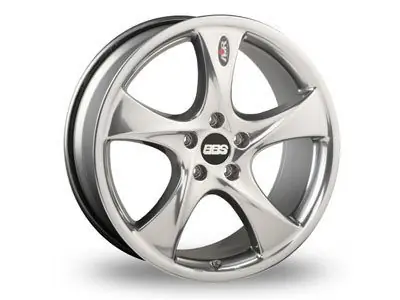
BBS AI wheels in Australia
The BBS AI shows up in Australian listings now and then, often as part of an import from Japan or Europe, and almost never with paperwork. Reliable factory data on the AI is thin, so the wheel itself is the best record you have. This page sets out what an Australian buyer can check: the markings and date stamp, how an older wheel suits a newer car, what the state roadworthy rules mean for a wheel change, and how to sell or value a set here.
- Maker
- BBS
- Documentation
- Limited; specs not confirmed here
- Best reference
- Markings on the back of the wheel
The BBS AI in Australia
Because so little is published about the AI, most sets in Australia arrive with a story rather than a spec sheet. A seller on Gumtree, Facebook Marketplace or eBay Australia may say the wheels came in with a Japanese import, or were bought from Europe years ago. The story may be true, and you still need to see the wheels. Ask for clear photos of the back of every wheel, including the date stamp and any part code, and compare them with what you know from our guide to identifying BBS wheels.
Imported sets and freight damage
Wheels that have been shipped from overseas, or sent interstate by courier, can pick up damage in transit. Check the outer lip and the inner barrel for fresh dents, and look at the bolt seats for crushing if the wheels were packed loose. If the AI turns out to be multi-piece, ask whether the assembly bolts were touched before shipping and whether the seals still hold air. Our three-piece refurbishing guide covers what a rebuild involves.
Older wheels, newer cars and the roadworthy rules
The fitment points on this page (brake clearance, centre bore, load rating and tyre availability) matter more when the wheel is older than the car. Wheel and tyre changes in Australia fall under state registration and roadworthy rules, with national guidance in VSB 14, the National Code of Practice for Light Vehicle Construction and Modification, section LA. Your state transport authority, such as Transport for NSW, VicRoads or TMR in Queensland, can tell you what applies, and an engineer or certifier can help if the change is outside what your state allows without approval. The offset guide helps with the numbers.
Sun damage and old refurbishments
An older wheel that has spent years in strong Australian sun often shows faded or chalky paint, and an earlier refurbishment may be hiding repairs. Thick coats, filler on the face and paint on the hub mating surface are all reasons to have the wheel checked. Coastal cars add salt air, which works its way under chipped coatings.
Selling an AI set here
Australian buyers pay for condition and for sizes that suit their cars, and an uncommon name adds little. List the full markings, bolt pattern, offset, the car the wheels came off and any refurbishment history, and include photos of the backs. Model-specific forums and car clubs can be a better place for an uncommon set than a general marketplace. Before buying, compare the AI with better-documented options in the Australian catalogue and read buying used BBS wheels.
What is known
BBS was founded in 1970 in Schiltach, in Germany's Black Forest, by Heinrich Baumgartner and Klaus Brand, and moved into wheels during the 1970s. Over the following decades it built up a long list of model names, some sold worldwide and some only in single markets or through car makers. The AI is one of the less visible ones. We have not found a source we trust for its production years, construction or size range, and we have chosen not to guess. If you have the wheels to hand, the casting will tell you more than we can.
For background on how the company and its ranges developed, see the BBS history guide.
Working out the age of a set
Older BBS wheels can usually be dated in three ways. A date stamp on the casting gives the month or year of manufacture. The style of markings changes over time, with older wheels often carrying simpler cast lettering and newer ones showing more detailed codes and approval marks. The cars the wheels were sold for also give a clue: bolt patterns and centre bores tie a set to a group of models and years. Put these together and you will have a reasonable idea of when the wheel was made, even without a factory catalogue.
Checking construction
Before anything else, find out whether the wheel is one piece or several. A multi-piece BBS has a ring of small bolts joining the centre to the rim, and possibly a visible seam between outer and inner rim halves. A one-piece wheel has none. This matters because the two need very different care and repair. Multi-piece wheels have seals that can leak and bolts that need correct torque, which is covered in refurbishing three-piece wheels. If the AI you are looking at has no bolts and no seam, it is a one-piece wheel and can be treated like any other alloy.
Fitment on older and newer cars
Older wheels were often designed around narrower tyres, smaller brakes and different offsets to modern cars. If you want to fit an older BBS to a newer car, check:
- Brake clearance, which is often the deciding factor.
- Centre bore, since older wheels may have a bore that is too small for some modern hubs.
- Load rating, which should suit the weight of the car. Heavier modern cars put more load on each wheel.
- Availability of tyres in the size you need, which can be a problem for unusual older sizes.
The offset guide helps with the numbers.
Condition and repair
The older a wheel, the more likely it has been refurbished, and the quality of past work varies. Look for paint runs, filler on the face, and paint on the hub mating surface or bolt seats, all of which point to a quick job. Very thick layers of paint can also hide cracks. If a wheel has been heavily repaired more than once, it is safest to have an expert check it before use. Original, unrestored wheels in fair condition are often a better starting point than a set someone has covered up.
Selling or valuing an AI set
Uncommon does not automatically mean valuable. Buyers pay for condition, sizes that suit popular cars and good photos of the markings. If you are selling, list the full markings, the bolt pattern and offset, the car they came from and any refurbishment history. If you are buying, compare the asking price with better-documented BBS wheels in the catalogue that would also fit your car.
Frequently asked questions
Can I tell where an AI set sold in Australia originally came from?
Not with certainty. The markings on the back, the date stamp and the bolt pattern give you clues about the era and the cars the wheels were made for. A seller's story about a Japanese or European import is worth hearing, but treat it as background and rely on what the casting shows.
Do I need approval to fit older BBS wheels to my car in Australia?
It depends on your state and on how far the wheels differ from the original fitment. Wheel and tyre changes are covered by state roadworthy rules and the national VSB 14 guidance, section LA. Check with your state transport authority, and ask an engineer or certifier if you are unsure.
Is an uncommon AI set worth more in Australia?
Not automatically. Local buyers pay for condition, sizes that suit popular cars and clear photos of the markings. An uncommon name can make a set harder to sell if the size is awkward, so compare it with better-documented BBS wheels before agreeing on a price.
When was the BBS AI made?
We have not confirmed its production years from a reliable source. Check the date stamp on the wheel for that example's casting date.
Is the AI a three-piece wheel?
Check the wheel. A multi-piece BBS has a ring of assembly bolts; a one-piece wheel does not.
Will older BBS wheels fit a modern car?
Sometimes. Brake clearance, centre bore and load rating are the usual limits.
How do I value a rare BBS?
Condition, size and fitment demand matter more than rarity. Compare with similar BBS wheels for your car.