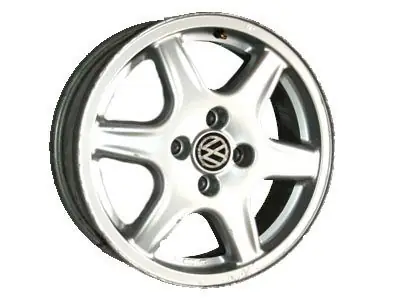
Rare BBS design
Identifying a BBS EB2 set in Australia
The BBS EB2 is a rarely documented BBS wheel that sits outside the familiar model families. In Australia, sets usually surface through imports or private sales with little history attached, so the markings on the wheel carry most of the weight. Local forums, clubs and refurbishers can help with the rest, and a written record of the set pays off later with insurers and with any registration questions.
- Maker
- BBS
- Documentation
- Limited; specs not confirmed here
- Best reference
- Casting marks and approval numbers
BBS EB2 wheels in Australia
Starting from the markings
With no reliable specification for the EB2, the markings on the wheel are the only firm evidence. An imported set from Japan or Europe may carry car maker part numbers or overseas approval numbers that help trace it. Photograph every marking before you clean, refurbish or sell the wheels, and compare the design with the catalogue to rule out a better-known model listed under a confusing name. The identification guide explains the usual codes.
Who to ask locally
Model-specific forums, marque car clubs and long-established wheel refurbishers see many BBS wheels and may recognise a design from photos. Post clear pictures of the face and the rear markings. Treat any answer as a lead to check against the wheel, and be cautious with confident stories about a set's history that come with no evidence.
Buying from a private seller
- Ask for photos of the back of every wheel as well as the face.
- Confirm the construction: one-piece, or multi-piece with assembly bolts.
- For an import, check lips and faces for freight damage.
- Check that your socket and locking-bolt key fit the bolt holes without scraping the finish.
If the EB2 turns out to be multi-piece, read refurbishing three-piece wheels before buying. For a one-piece set, the cast-wheel checks in the used buying guide apply.
Records, insurance and registration
Keep a short record of markings, sizes, tyre details and refurbishment history. Insurers generally expect to be told about modifications such as aftermarket wheels, and a documented set is easier to describe and value after a theft. If the wheels change size or offset from the original fitment, state roadworthy and registration rules, with VSB 14 section LA (the National Code of Practice for Light Vehicle Construction and Modification) as national guidance apply. Your state transport authority, for example Transport for NSW, VicRoads or TMR in Queensland, and a certifier can tell you what your car needs, and measured figures from the record give them something concrete to work with.
Security
Rare wheels are hard to replace. Locking bolts are sensible, and recording the key code saves a difficult removal if the key goes missing. Keep the record with the car's paperwork, and see the fitment guide for measuring ET and width.
An unusual name
Most BBS models people search for use a short code, such as RS, LM or CH, plus a suffix. The EB2 does not obviously belong to any of the well-known groups, and we have found no source we trust that explains its origins, sizes or production years. It may have been a regional product or one made for a particular car maker or programme, but that is speculation, so treat it as such. The rest of this page is a method that works for any rarely documented BBS wheel.
A step-by-step identification
- Clean the back of the wheel and photograph every marking.
- Decide the construction: one piece, or multi-piece with assembly bolts.
- Record diameter, width, ET, bolt pattern and centre bore.
- Note any car maker logos or part numbers, and any approval numbers.
- Check the date stamp.
- Compare the design with photos in the catalogue to rule out a better-known model with a confusing label.
Mislabelled listings are common, and step six solves more mysteries than any of the others. See also identifying BBS wheels.
Six-spoke and OEM-style designs
Six-spoke designs are less common than five-spoke ones because most cars use four or five wheel bolts, and designers often match spoke count to the bolt pattern. Where a six-spoke design appears on a five-bolt car, the bolts sit in different positions relative to each spoke, which can make access with a socket tighter. Check that your wheel bolt socket and any locking-bolt key fit into the bolt holes without scratching the finish. A thin-wall socket or a plastic sleeve helps.
Keeping a record
For any rarer set, keep a short record: photos of markings, sizes, tyre sizes and dates, refurbishment history and who did it, and the cars the set has been on. It makes selling much easier, helps with insurance claims for theft, and lets you source matching parts later. Store it with your car's paperwork.
Security
Rarer wheels are hard to replace if stolen. Locking wheel bolts are a sensible addition. Keep the key in the car in a known place and record its code, since losing it can mean a garage has to remove the locks, which risks damaging the wheel finish.
Assessing condition
Inspect each wheel for cracks, bends and corrosion. If the EB2 turns out to be multi-piece, also check for leaking seals and corroded assembly bolts, and read refurbishing three-piece wheels. For one-piece construction, the usual cast-wheel checks in the used buying guide apply.
Asking experts
When a model is hard to research, people who handle a lot of BBS wheels can help. Wheel refurbishers, tyre shops that focus in performance cars and long-running owners' clubs see many sets and often recognise designs from photos. Send clear pictures of the face and the markings. Treat any answer as a lead to confirm rather than a final word, and check it against the markings on your wheels. Be wary of anyone who claims a specific history for the wheels without explaining how they know.
If you learn something definite about your set, add it to your record, along with where the information came from.
Frequently asked questions
Do I need to tell my insurer about a set of BBS EB2 wheels?
Insurers generally expect to be told about modifications, and aftermarket wheels usually count. Check your policy wording or ask your insurer. Photos of the markings, sizes and any refurbishment history make it easier to describe the set and support a claim if the wheels are stolen.
Who can help identify an EB2 in Australia?
Model-specific forums, car clubs and wheel refurbishers who handle many BBS wheels often recognise designs from photos. Send clear pictures of the face and the rear markings. Treat their answers as leads to check against the wheel, since nobody has published a reliable EB2 specification.
What should I check on an imported EB2 set?
Look for freight damage on the lips and faces, then photograph every marking, including any car maker part numbers or overseas approval numbers. Confirm whether the wheels are one-piece or multi-piece, and check that all four carry the same size and offset markings.
What is the BBS EB2?
It is a BBS model name we have not been able to document reliably. Use the wheel's markings to confirm its size and construction.
How can I check if my EB2 is genuine?
Look for BBS markings in the casting, plus part codes, size and approval numbers.
Do six-spoke wheels fit five-bolt cars?
Yes. Spoke count and bolt count do not need to match, though socket access can be tighter.
Should I fit locking bolts?
For rarer wheels it is sensible. Record the key code in case you lose the key.