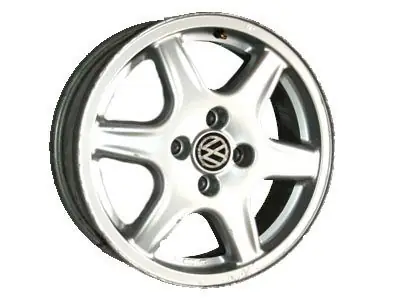
Uncommon BBS design
BBS EB2 wheels
The EB2 sits outside the familiar BBS model families and is rarely covered in detail anywhere. We have not confirmed its specification, so this page gives a practical method for identifying and assessing any uncommon BBS wheel.
- Maker
- BBS
- Documentation
- Limited; specs not confirmed here
- Best reference
- Casting marks and approval numbers
An unusual name
Most BBS models people search for use a short code, such as RS, LM or CH, plus a suffix. The EB2 does not obviously belong to any of the well-known groups, and we have found no source we trust that explains its origins, sizes or production years. It may have been a regional product or one made for a particular car maker or programme, but that is speculation, so treat it as such. The rest of this page is a method that works for any rarely documented BBS wheel.
A step-by-step identification
- Clean the back of the wheel and photograph every marking.
- Decide the construction: one piece, or multi-piece with assembly bolts.
- Record diameter, width, ET, bolt pattern and centre bore.
- Note any car maker logos or part numbers, and any approval numbers.
- Check the date stamp.
- Compare the design with photos in the catalogue to rule out a better-known model with a confusing label.
Mislabelled listings are common, and step six solves more mysteries than any of the others. See also identifying BBS wheels.
Six-spoke and OEM-style designs
Six-spoke designs are less common than five-spoke ones because most cars use four or five wheel bolts, and designers often match spoke count to the bolt pattern. Where a six-spoke design appears on a five-bolt car, the bolts sit in different positions relative to each spoke, which can make access with a socket tighter. Check that your wheel bolt socket and any locking-bolt key fit into the bolt holes without scratching the finish. A thin-wall socket or a plastic sleeve helps.
Keeping a record
For any rarer set, keep a short record: photos of markings, sizes, tyre sizes and dates, refurbishment history and who did it, and the cars the set has been on. It makes selling much easier, helps with insurance claims for theft, and lets you source matching parts later. Store it with your car's paperwork.
Security
Rarer wheels are hard to replace if stolen. Locking wheel bolts are a sensible addition. Keep the key in the car in a known place and record its code, since losing it can mean a garage has to remove the locks, which risks damaging the wheel finish.
Assessing condition
Inspect each wheel for cracks, bends and corrosion. If the EB2 turns out to be multi-piece, also check for leaking seals and corroded assembly bolts, and read refurbishing three-piece wheels. For one-piece construction, the usual cast-wheel checks in the used buying guide apply.
Asking experts
When a model is hard to research, people who handle a lot of BBS wheels can help. Wheel refurbishers, tyre shops that focus in performance cars and long-running owners' clubs see many sets and often recognise designs from photos. Send clear pictures of the face and the markings. Treat any answer as a lead to confirm rather than a final word, and check it against the markings on your wheels. Be wary of anyone who claims a specific history for the wheels without explaining how they know.
If you learn something definite about your set, add it to your record, along with where the information came from.
Frequently asked questions
What is the BBS EB2?
It is a BBS model name we have not been able to document reliably. Use the wheel's markings to confirm its size and construction.
How can I check if my EB2 is genuine?
Look for BBS markings in the casting, plus part codes, size and approval numbers.
Do six-spoke wheels fit five-bolt cars?
Yes. Spoke count and bolt count do not need to match, though socket access can be tighter.
Should I fit locking bolts?
For rarer wheels it is sensible. Record the key code in case you lose the key.