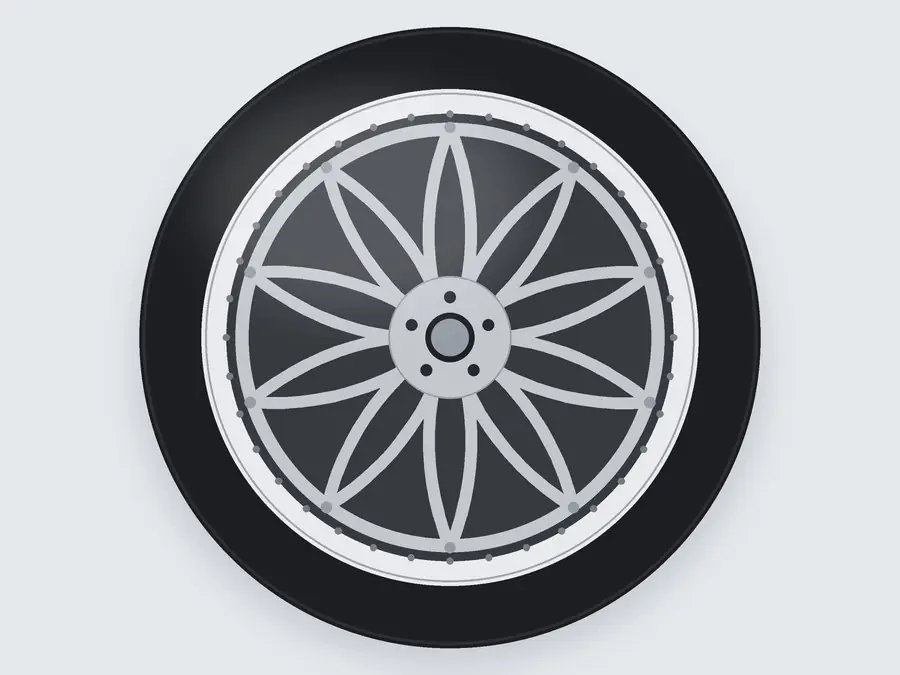
Rare cast wheel
Checking BBS RZ wheels in Australia
The BBS RZ is a one-piece cast wheel from the 1990s with very little published history, and we hold no part-number specifications for it. For Australian buyers that makes the wheel itself the record: the code, size, offset and bolt pattern on the back. Whether a set was bought locally or imported, verifying it comes down to reading those marks and asking people who know the model.
- Construction
- One-piece cast aluminium
- Era
- 1990s
- Maker
- BBS, Germany
- Sizes
- Varied by market and fitment
The BBS RZ in Australia
An RZ set is an uncommon find in Australia, and listings often arrive with a confident story attached. Go by the markings on the wheels, and check the story against them.
Reading a set before you buy
- Ask for clear photos of the back of each wheel showing the code, size and ET offset. If the code includes the RZ name, that settles the model; if not, it may be something else.
- Sets imported from Europe may carry TÜV or KBA references and a small date wheel. These help identify and date the casting but say nothing about Australian requirements.
- Blank or blurred backs suggest a copy.
- Buy a complete set of four with matching codes and caps, because single replacements are hard to find.
Where to ask
Owners' clubs and forums for the car the wheels came on are the best local source, along with BBS enthusiast groups online. Bring photos of the codes. Our identification guide shows typical BBS marks.
Fitment and the rules
With no size list to lean on, measure each wheel and compare it with your car's tyre placard. Older BBS wheels often have a centre bore matched to one maker, so hub rings may be needed, and a modern car may have larger calipers than a 1990s wheel will clear. If the set moves your car away from its standard wheel and tyre sizes, check your state's roadworthy and registration requirements. VSB 14, section LA gives the national guidance, and your state transport authority (Transport for NSW, VicRoads, TMR and others) or an engineer can confirm what applies. See fitment and offset explained.
Freight, sun and salt
Check imported wheels for cracks near the bolt holes, signs of straightening and freight damage as soon as they arrive. A cracked cast wheel should not be repaired. Once fitted, strong UV and coastal air wear on the clear coat, so keep the finish in good order and wash with a pH-neutral cleaner. Store spare wheels dry and off bare concrete. There is more in caring for BBS wheels and the used buying guide.
What we know about the RZ
BBS used a two-letter code beginning with R for many of its road wheels: RS, RG, RC, RP and others. The RZ belongs to this naming pattern and to the cast one-piece wheels of the 1990s. Detailed records of its production years, original sizes and every car it was made for are hard to find, and there is plenty of guesswork online. We prefer to stick to what an owner can check on the wheel.
If you have an original catalogue, box or fitment paperwork for a set, that is the best record of what it was made for. Car clubs for the model it came on are often the next best source.
Construction
Like the RG and RC, the RZ is a cast wheel, made by pouring molten aluminium into a mould and then heat treating and machining the casting. A one-piece wheel has no rim bolts and no separate lip. That makes it simpler to keep than a three-piece RS, since there are no seals to leak or bolts to corrode, but the width and offset cannot be changed.
Cast wheels need more material than forged ones to reach the same strength. Our forged versus cast guide explains the difference.
Fitment
Because the original size list varied by market, the safest approach is to read the size, offset and bolt pattern from each wheel. Write them down, then compare them with your car's specification. Older BBS wheels often used centre bores matched to a particular car maker, so hub rings may be needed elsewhere.
Check brake clearance with the wheel on the car before fitting tyres. Modern cars often have larger callipers than the cars of the 1990s, and an older wheel may not clear them. Offset explained covers the numbers you need.
Markings and identification
Because so little is written about the RZ, the code cast into the back of the centre matters more than usual. Note it down along with the size and ET offset. Wheels sold in Germany may carry TÜV or KBA references, and many BBS castings of this period have a small date wheel. If the code includes the RZ name, that settles the question; if it does not, you may be looking at a different model.
Compare the code with known RZ sets from owners' clubs or expert dealers before you pay. Blank or blurred backs suggest a copy. See identifying BBS wheels for typical marks.
Buying and restoring
With a less common model, finding a single replacement wheel can be hard, so buy a complete set of four with matching codes where possible. Inspect each wheel for corrosion under the paint, cracks near the bolt holes and signs of straightening. A cracked cast wheel should not be repaired.
Replacement centre caps for less common models can also be hard to source. Make sure all four caps come with the wheels, or factor in the cost of a substitute. Our used buying guide has a fuller checklist.
Researching a set
For a model with little published history, the best evidence is physical. Photograph the back of each wheel, record every number you can read, and note the centre cap style. Owners' clubs for the car the wheels came on often know which BBS wheels were offered as options. Original sales paperwork, boxes or a dealer invoice also help.
Be careful with listings that attach a confident history to an RZ set without evidence. A seller may be honest and simply repeating what they were told. Treat the markings on the wheel as the record, and anything else as a lead to check.
Care
Wash with a pH-neutral cleaner and a soft brush, dry the wheels after winter use, and keep the paint or clear coat in good order so corrosion cannot start. If you store the wheels off the car, keep them dry and stacked on cardboard or a rack rather than bare concrete. More in caring for BBS wheels.
Frequently asked questions
Where can I find out more about an RZ set?
Owners' clubs and forums for the car the wheels came on are the best start, and BBS enthusiast groups can help compare codes. Bring photos of the code, size and offset on the back of each wheel. Original catalogues or sales paperwork, if the set has any, are the strongest evidence.
Do German TÜV marks on an imported RZ matter here?
They help identify and date the wheel, but they are German approval references. Australian requirements come from your state's roadworthy and registration rules, with national guidance in VSB 14, section LA. Check with your state transport authority if the wheels change your car's standard size.
Can a damaged RZ be repaired?
Kerb marks and finish damage can usually be refinished. A crack in a cast wheel should not be repaired for road use, and with a less common model a cracked wheel can be hard to replace. Check all four carefully before you buy.
Is the BBS RZ a multi-piece wheel?
It is generally described as a one-piece cast wheel. Check for rim bolts: if there are none, it is one piece.
What sizes did the RZ come in?
Sizes varied by market and car. Read the size and offset stamped on the back of each wheel.
How do I confirm a set is a genuine RZ?
Check the back of the centre for the BBS logo, part code, size, offset and approval marks, and compare the code with known genuine examples.
Where can I find more history on the RZ?
Owners' clubs for the car the wheels came on, original BBS catalogues and expert BBS dealers are the best places to ask. Bring the part code from the back of the wheel.